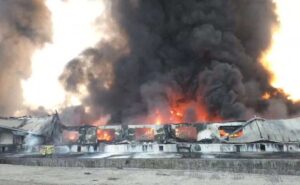
The blaze in Bhiwandi on Wednesday night underscores the vulnerability of warehouse clusters to fire hazards. With water shortages and congested industrial layouts compounding the challenge, urgent reforms are needed to protect life and property.
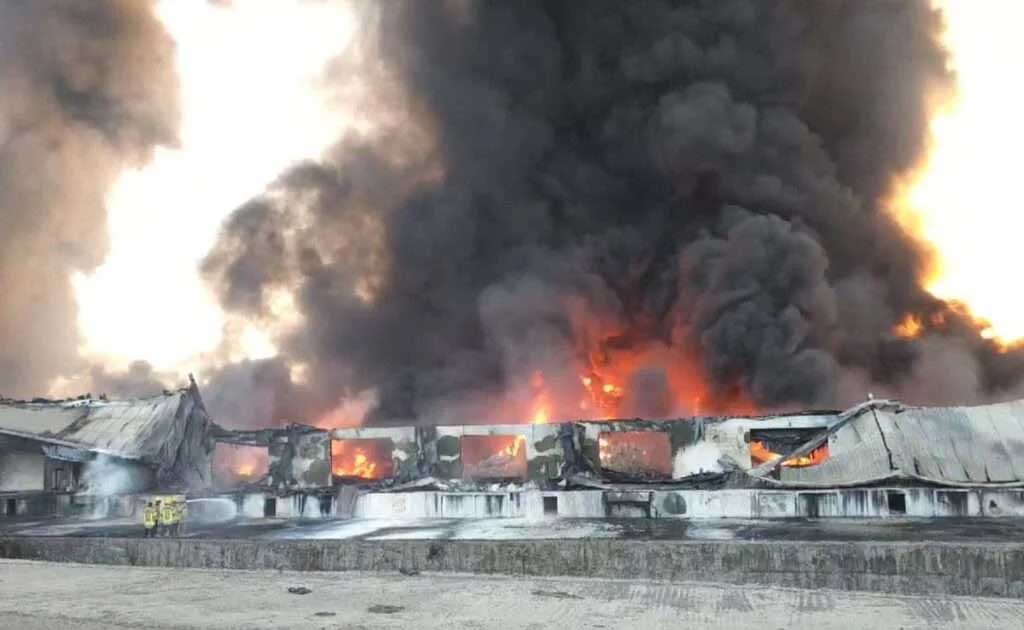
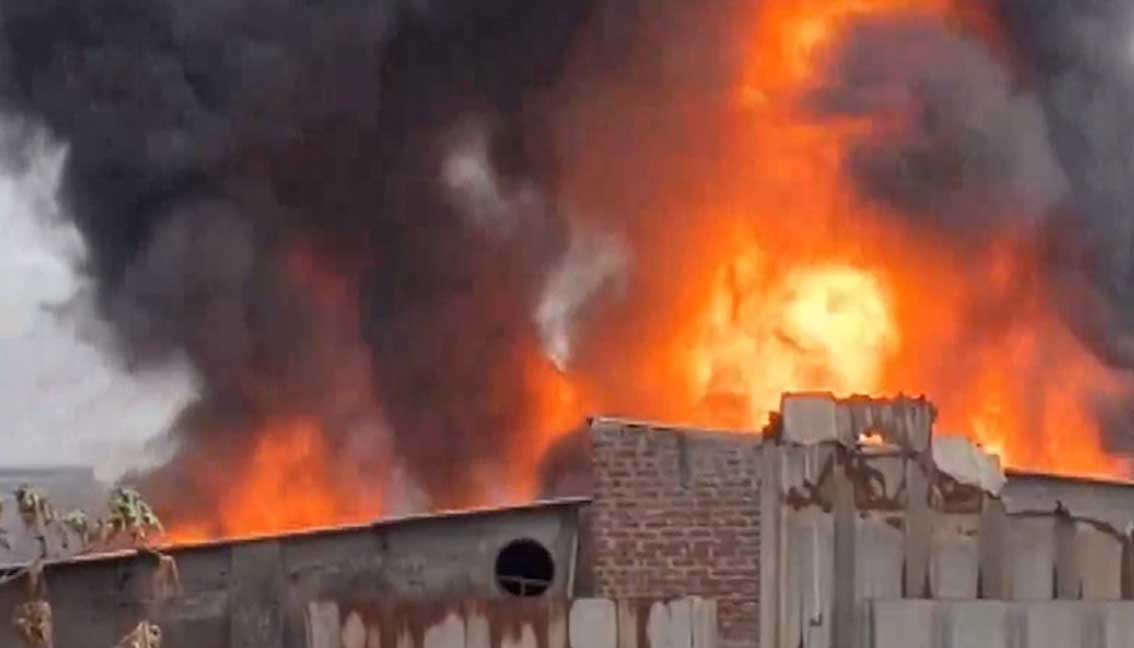
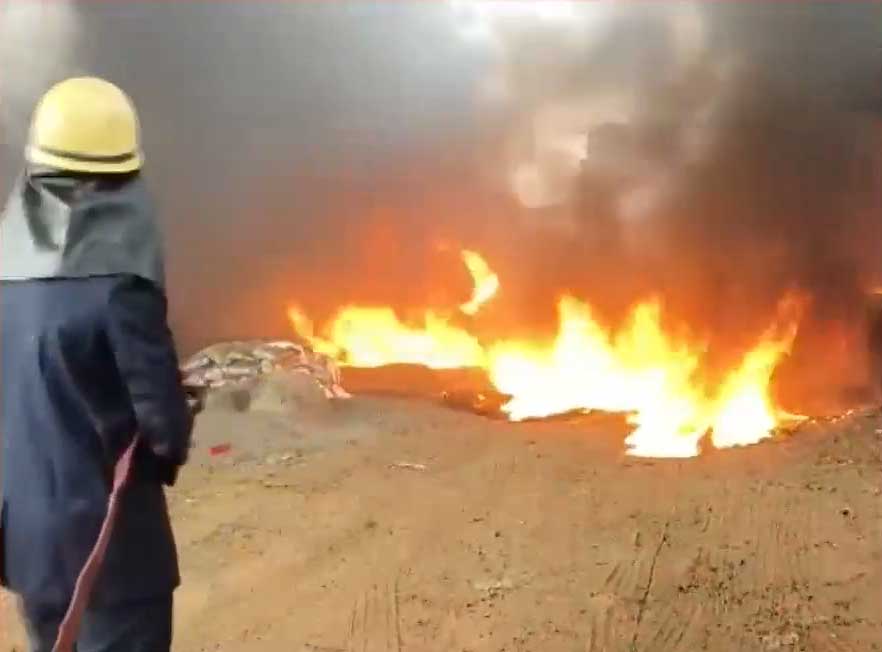
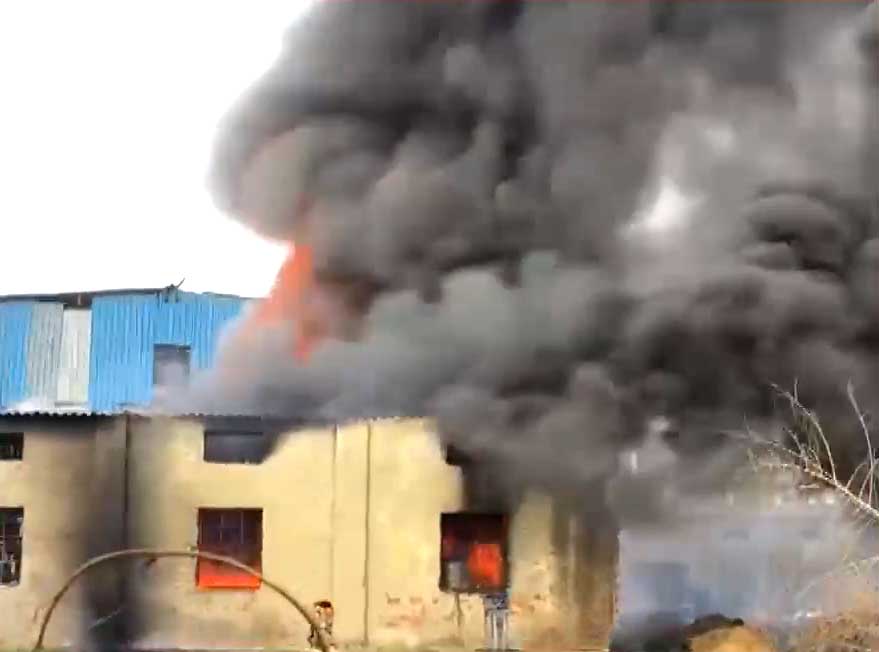
The fire at the Macha Compound in Bhiwandi has once again highlighted the precarious state of industrial safety in Maharashtra’s warehouse belt. While the exact cause of the blaze remains under investigation, the incident has exposed how densely packed storage facilities, often housing flammable materials, stand at constant risk of being engulfed by flames. The rapid escalation of the fire, visible from afar through thick plumes of smoke, is a reminder that in such clusters, one warehouse catching fire can quickly threaten dozens of others.
The firefighting response was swift, yet the teams faced a familiar handicap: shortage of water. In summer, when demand peaks and supply lines run thin, fire brigades are often left scrambling for resources. This scarcity not only slows down operations but also magnifies the risk of property loss, as flames continue to consume valuable goods while crews wait for replenishment. In Bhiwandi, as in other industrial zones, the absence of dedicated water reservoirs or hydrant systems near warehouses leaves firefighters handicapped, forcing them to rely on tankers that are inadequate for large-scale blazes.
The vulnerability is not confined to warehouses alone. The recent incident at Wadala Truck Terminus, where parked buses were damaged in a sudden fire, illustrates how densely packed heavy vehicles with their fuel tanks full can themselves become fire hazards. In congested parking lots, once a blaze begins, the proximity of vehicles accelerates its spread, making containment difficult. The parallels with Bhiwandi are clear: whether it is warehouses filled with combustible stock or truck yards crowded with fuel-laden vehicles, the lack of spacing, planning, and preventive infrastructure turns minor sparks into major disasters.
What is urgently required is a multi-pronged approach. Warehouses must adopt stricter fire safety norms, including installation of sprinklers, smoke detectors, and fire-resistant construction materials. Authorities should mandate the creation of buffer zones between facilities to prevent chain reactions. Equally critical is the establishment of dedicated water storage systems and hydrants within industrial estates, ensuring that firefighting teams are not crippled by shortages at the very moment they are needed most. For truck terminals and parking yards, regulated spacing, fireproof barriers, and emergency access routes can significantly reduce vulnerability.
The Bhiwandi fire is not just an isolated incident but a warning signal. Industrial clusters across Maharashtra and India must recognize that the cost of neglect is far greater than the investment in safety. Protecting property and lives requires foresight, planning, and enforcement, lest the next blaze prove even more devastating.
These incidents reveal a troubling pattern: warehouses in Bhiwandi are repeatedly exposed to fire hazards due to the storage of highly flammable materials, inadequate spacing between facilities, and limited firefighting infrastructure. The recurrence of such large-scale fires, often destroying entire compounds, suggests systemic vulnerabilities rather than isolated accidents.
The fire brigade, however, deserves recognition for its exemplary work in containing the blaze under extremely challenging circumstances. Despite the shortage of water during peak summer and the presence of highly flammable materials inside the warehouse, firefighters managed to prevent the flames from spreading to adjoining structures and safeguarded nearby residential and commercial zones. Their swift deployment of multiple engines, coordinated cooling operations, and relentless effort in the face of toxic smoke and logistical handicaps underscore the professionalism and resilience of the emergency teams who stood as the last line of defense against what could have been a far greater disaster.
Past fire incidents around Bhiwandi warehouses
– May 2025: Richland Compound Fire: A massive blaze engulfed nearly 22 warehouses in Bhiwandi, leading to extensive damage and financial loss. The fire spread rapidly due to the concentration of combustible goods stored in close proximity, including textiles, FMCG products, and chemicals. Fire tenders struggled for hours to contain the flames, highlighting the scale of risk in such dense industrial clusters
– October 2024: Hydraulic Oil and Textile Warehouse Fire: Another major incident destroyed a warehouse containing hydraulic oil, clothes, plastic, and chemicals. The entire facility was gutted, though fortunately no casualties were reported. The blaze was visible from afar, with thick black smoke rising over the Mumbai–Nashik highway
– October 2024: Logistics Warehouse Fire: Around the same period, a logistics warehouse storing textiles, chemicals, oil, and plastics caught fire. Officials suspected a short circuit as the trigger. The presence of varied combustible materials intensified the blaze, requiring six fire engines to bring it under control

A Column By
Raju Korti – Editor
The Resource 24X7
A Journalist With 4 Decades of Experience With Leading Media Houses.