
India’s high-speed rail dream is steadily taking shape. With major civil works completed and tunnelling underway, the Mumbai–Ahmedabad bullet train project is entering its next phase of execution.
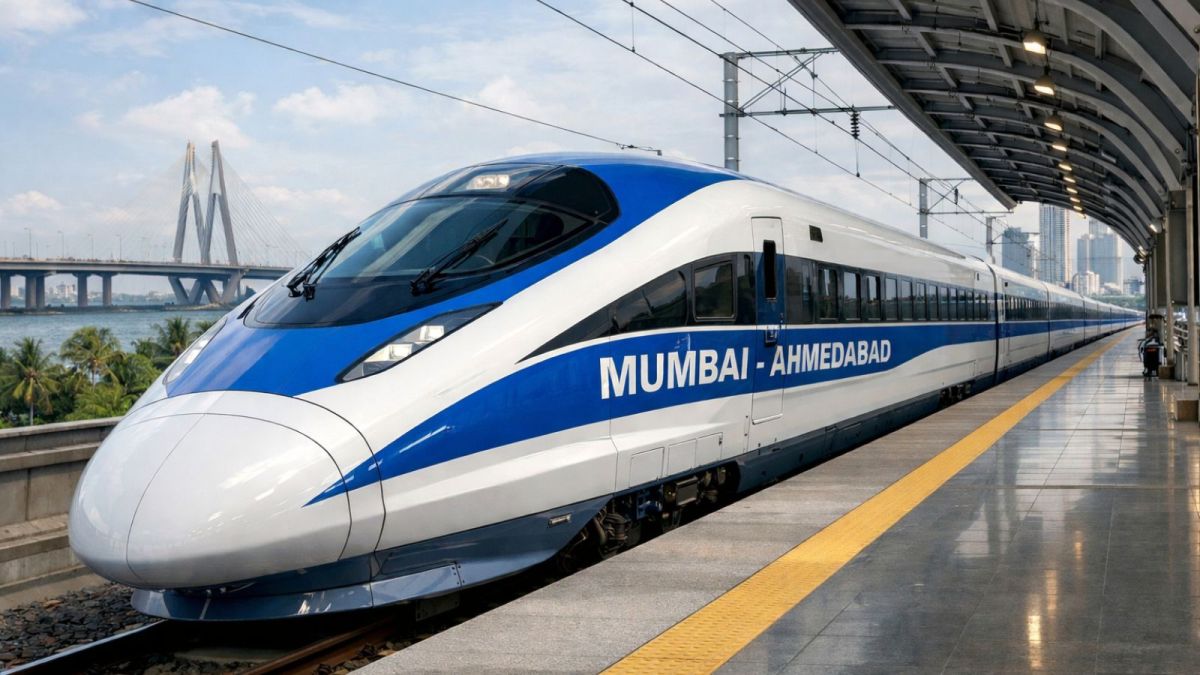
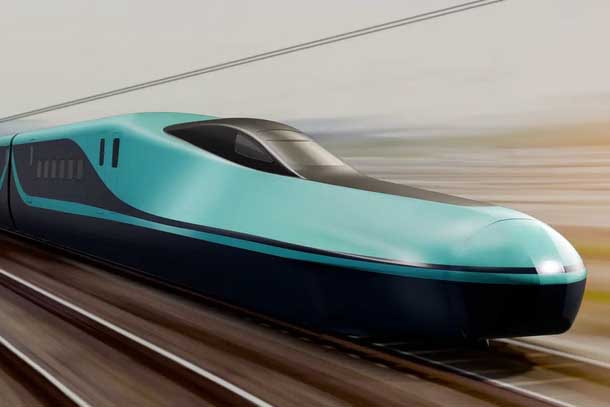
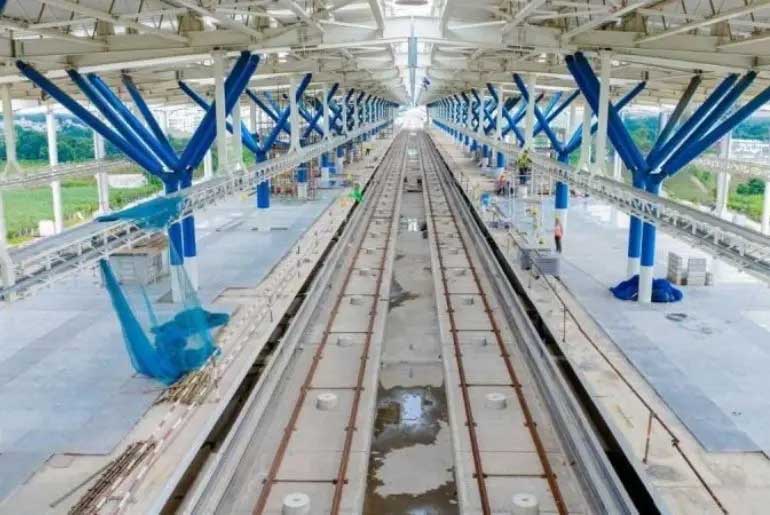
The Mumbai–Ahmedabad bullet train corridor, India’s flagship high-speed rail project, is progressing with visible momentum. The National High Speed Rail Corporation Limited (NHSRCL) has confirmed that 343 km of viaduct construction and 434 km of pier work are complete out of the total 508 km alignment. Alongside this, 17 river bridges, five pre-stressed concrete bridges, and 13 steel bridges have been finished, marking a significant advancement in structural milestones.
A crucial component of the project is the 21 km underground tunnel near Mumbai, which will allow the corridor to pass beneath sensitive zones. As of now, 5 km of this tunnel has been excavated using the New Austrian Tunnelling Method (NATM). Waterproofing gantries and specialised membranes are being deployed to ensure durability and safety. The next phase will focus on structural strengthening and long-term resilience of the tunnel.
The project is also gearing up operationally. A rolling stock depot in Surat is under development, designed to handle trainset maintenance, deployment readiness, and seamless operations once services begin. This facility will be central to ensuring reliability and efficiency of the corridor.
Safety and sustainability remain at the forefront. The corridor is being engineered with advanced systems for ventilation, firefighting, and monitoring, while construction methodologies are tailored to minimise environmental impact. The tunnel excavation beneath sensitive zones has been carefully managed to keep vibrations negligible, protecting natural ecosystems.
The bullet train, once operational, will cut travel time between Mumbai and Ahmedabad from six hours to just about two, offering a transformative alternative to conventional rail and road travel. The trains are expected to run at speeds of up to 320 km/h, making this corridor a benchmark for modern infrastructure in India.
Work continues round the clock, with thousands of workers deployed across multiple sites. Civil works, tunnelling, and depot construction are being synchronised to maintain momentum. Preparations indicate a carefully choreographed rollout, with each milestone reinforcing the project’s readiness for eventual commissioning.
In summary, the Mumbai–Ahmedabad bullet train project has moved well beyond planning into full-scale execution. With viaducts, bridges, and tunnels advancing steadily, and depot facilities taking shape, India’s first high-speed rail corridor is firmly on track to redefine intercity travel.
A Column By
Raju Korti – Editor
The Resource 24X7
A Journalist With 4 Decades of Experience With Leading Media Houses.