
The recent blaze at Bhatia Hospital in Mumbai, though swiftly contained and without casualties, underscores the acute vulnerability of healthcare facilities to fire hazards. Hospitals, with their reliance on complex electrical systems and the presence of immobile patients, demand a higher standard of vigilance and preparedness.

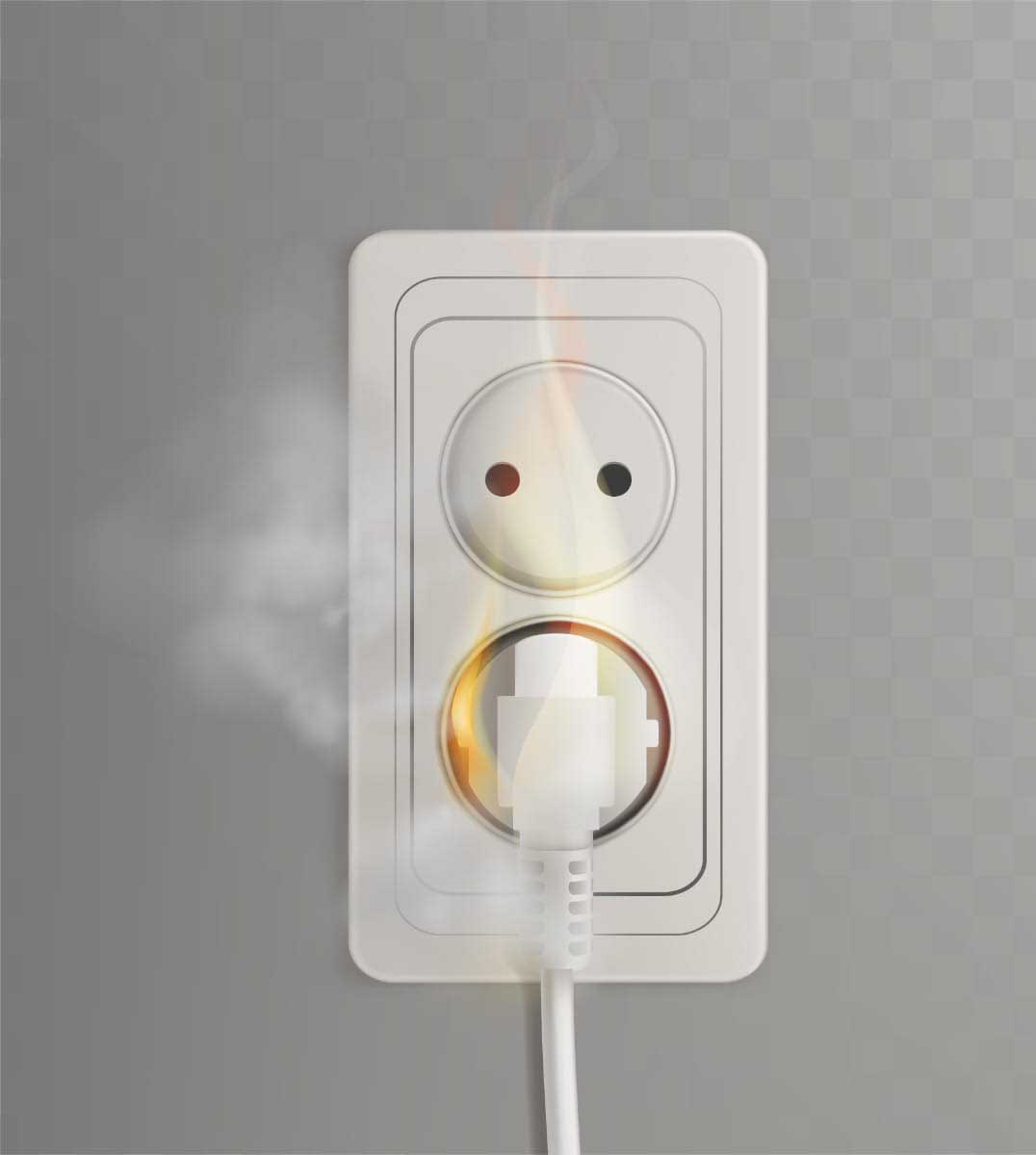
The incident at Bhatia Hospital in south Mumbai, where a fire broke out in the CT-MRI unit and led to the evacuation of nearly 250 people yesterday late afternoon, is a stark reminder of how fragile public places can be when confronted with fire emergencies. Hospitals are particularly susceptible because they depend heavily on electrical installations to power diagnostic equipment, life-support systems and critical care units. A minor fault in wiring or an overload in circuits can quickly escalate into a dangerous situation, as was evident when smoke threatened the Neonatal Intensive Care Unit located directly above the affected area.
Unlike other public spaces, hospitals face unique challenges in evacuation. Patients who are bed-ridden, undergoing treatment or in fragile health cannot simply walk out of danger. The responsibility falls on medical staff and emergency responders to ensure their safety, often requiring stage-wise shifting and careful coordination to avoid panic. In the Mumbai case, the smooth evacuation and the use of forced ventilation systems to clear smoke demonstrated how preparedness and quick response can avert tragedy. Yet the incident also highlights the razor-thin margin between safety and disaster in such environments.
Beyond the immediate danger of flames and smoke, fires in hospitals can cripple essential medical infrastructure. Electrical equipment such as CT scanners, MRI machines, ventilators and monitoring systems form the backbone of modern healthcare. If these are damaged or rendered inoperative, the hospital’s functioning can be thrown out of gear. Critical diagnostic tests may stall, emergency procedures can be delayed and lives may be jeopardised not because of direct exposure to fire but due to the sudden unavailability of vital medical support.
Preventing hospital fires requires a multi-pronged approach. Regular inspection and maintenance of electrical systems must be non-negotiable, with strict adherence to safety codes and timely upgrades to aging infrastructure. Fire detection and suppression systems need to be modern, sensitive and strategically placed across critical units. Staff training is equally vital, ensuring that every nurse, doctor and attendant knows evacuation protocols and can act decisively under pressure. Hospitals must also conduct periodic fire drills that simulate real scenarios, including the evacuation of patients who cannot move independently.
The Mumbai fire was contained within minutes, but it serves as a cautionary tale. Hospitals are sanctuaries of healing, yet they can become sites of vulnerability if safety is compromised. The lesson is clear: resilience against fire hazards must be built into the very fabric of healthcare facilities, combining technology, infrastructure and human readiness to protect those who are least able to protect themselves.

A Column By
Raju Korti – Editor
The Resource 24X7
A Journalist With 4 Decades of Experience With Leading Media Houses.