When a basement wiring malfunction triggers a blaze that rapidly spreads up electric ducts, lives are imperilled. The massive fire in Dahisar is a stern reminder that regular audits and functional equipment are not optional.
Mumbai’s vertical growth, spurred by dense urbanisation and space constraints, has created a landscape where high-rise building fires pose uniquely severe threats. Electrical short circuits account for nearly 70 percent of fire incidents city-wide, with residential towers especially vulnerable due to neglected wiring and poorly maintained firefighting systems. The massive fire in Dahisar’s 23-storeyed building is a case in point.
Despite over 4,000 high-rise structures already completed and many more underway, inspections and enforcement remain painfully limited. In one sample review between late 2021 and early 2022, nearly half of inspected buildings — 151 of 329 — were issued notices for fire safety non-compliance.
Deeply concerning
While the Mumbai Fire Brigade (MFB) recorded a total of 5,074 fire incidents in 2023, causing 33 deaths and 300 injuries, this number rose further to 5,301 in 2024. Still, Level 4 (most severe) fires remained rare, though minor and intermediate fires remain deeply concerning. Seasonal surges during summer exacerbate the risk, as aged wiring is overburdened by continuous AC usage.
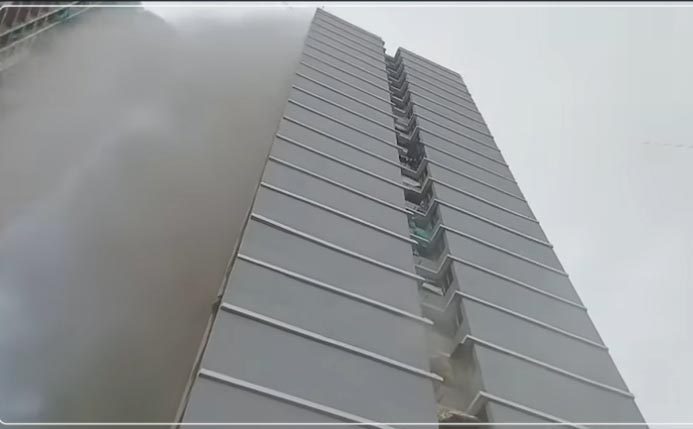
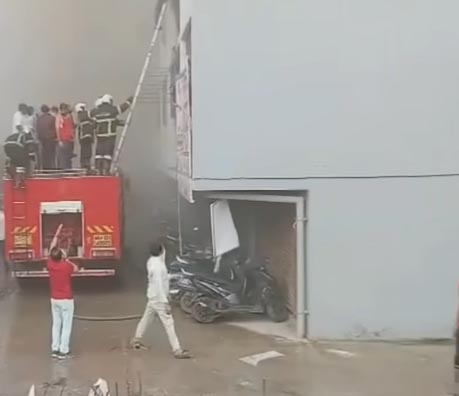
On September 7, a fire erupted in a 23-storey residential tower of the New Janakalyan Society, Dahisar East, likely due to a malfunctioning electric wire in the basement. The blaze raced upward via electric ducts, spanning from the ground to the fourth floor, engulfing meter cabins in the basement. Fire crews extinguished the flames between 4:30 PM and 6:10 PM. Tragically, an 85-year-old woman died, one differently-abled child remains in critical condition, and 36 residents were rescued, 19 of whom were hospitalised.
Chief Fire Officer Ravindra Ambulgekar pointed out that the firefighting equipment in the Dahisar tower was not in working condition and that unsealed electrical ducts allowed the fire to spread quickly and release thick smoke into other parts of the building, adding immensely to the challenge of the rescue.
Firefighter challenges were stark: thick smoke rapidly filled vertical shafts, evacuation lifts and firefighting systems were non-functional, and duct openings were unsealed, facilitating rapid fire spread. Fire combatants had to deploy a wide array of equipment, from aerial ladders to breathing apparatus vans, to tame the blaze, highlighting the resource intensity of such rescues.
Safety gaps
The broader safety and enforcement gaps are evident in multiple ways as many high rises lack functional sprinklers, alarms or smoke detectors and even when these systems exist poor upkeep renders them ineffective. The Mumbai Fire Brigade is often understaffed and it is simply untenable to comprehensively inspect more than fifty thousand buildings across the city, which means lapses go unnoticed until tragedy strikes. Though the law mandates half yearly fire audits and permits for fire evacuation lifts, many buildings remain out of compliance and while notices are issued the follow through is weak and rarely results in corrective action. Structural and design risks add to the problem as materials such as aluminium composite panels and glass façades, chosen for their aesthetic appeal, fuel rapid fire expansion and generate toxic smoke that further hampers evacuations.
What is urgently needed are strategic measures that go beyond paper mandates and are implemented with consistency. Regular digital audits must be mandated and tracked through an online portal where citizens and housing societies upload inspection reports and authorities issue timely responses or penalties. Fire evacuation lifts in towers above seventy metres must be tested, certified and maintained annually to ensure functionality when needed. Residents should not be left in the dark and regular community fire drills, training sessions for security staff and clear communication can help reduce panic and enable faster self-rescues. Electrical infrastructure in older towers needs urgent modernisation with outdated wiring replaced, surge protected circuits installed and electric shafts sealed and fire rated. Finally, staffing for inspections must be scaled up and enforcement strengthened with graded penalties for non-compliance including withholding development approvals for offenders. Only when these systemic corrections are undertaken will the city begin to reverse its dangerous trajectory of repeated high rise fire tragedies.

A Column By
Raju Korti – Editor
The Resource 24X7
A Journalist With 4 Decades of Experience With Leading Media Houses.