
The shocking sex scandal surrounding self-proclaimed Godman Ashok Kharat in Nasik is not merely another criminal case—it is a disturbing reflection of how money power, superstition and institutional complicity can converge to produce systemic exploitation of the vulnerable. What has emerged from Maharashtra over the past weeks is a deeply troubling narrative involving allegations of sexual abuse, coercion, blackmail and covert links to influential networks. It demands not only legal scrutiny but also a broader moral and political reckoning.
At the heart of the case are multiple allegations that Kharat, a middle-aged former Merchant Navy employee, used the guise of spiritual rituals to sexually exploit a large number of women over several years. According to investigation details that have surfaced so far, victims were allegedly manipulated through fear, psychological pressure and deception—sometimes being told that their families would face danger or that rituals were necessary for their well-being. These alleged acts, as and when proven, represent a grotesque abuse of trust. Although religion and spirituality are meant to provide solace, they were weaponised into instruments of coercion.
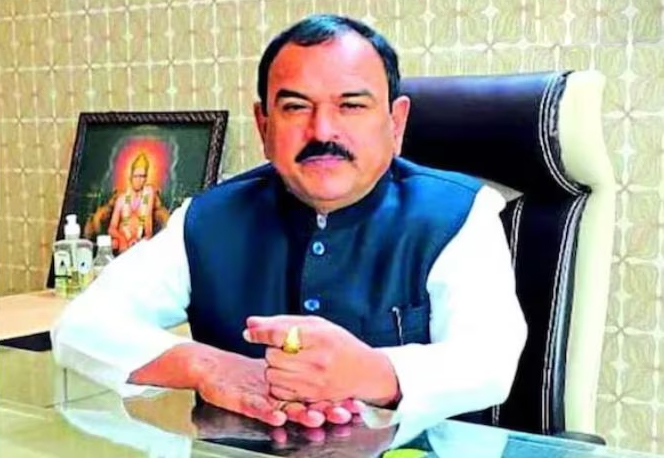
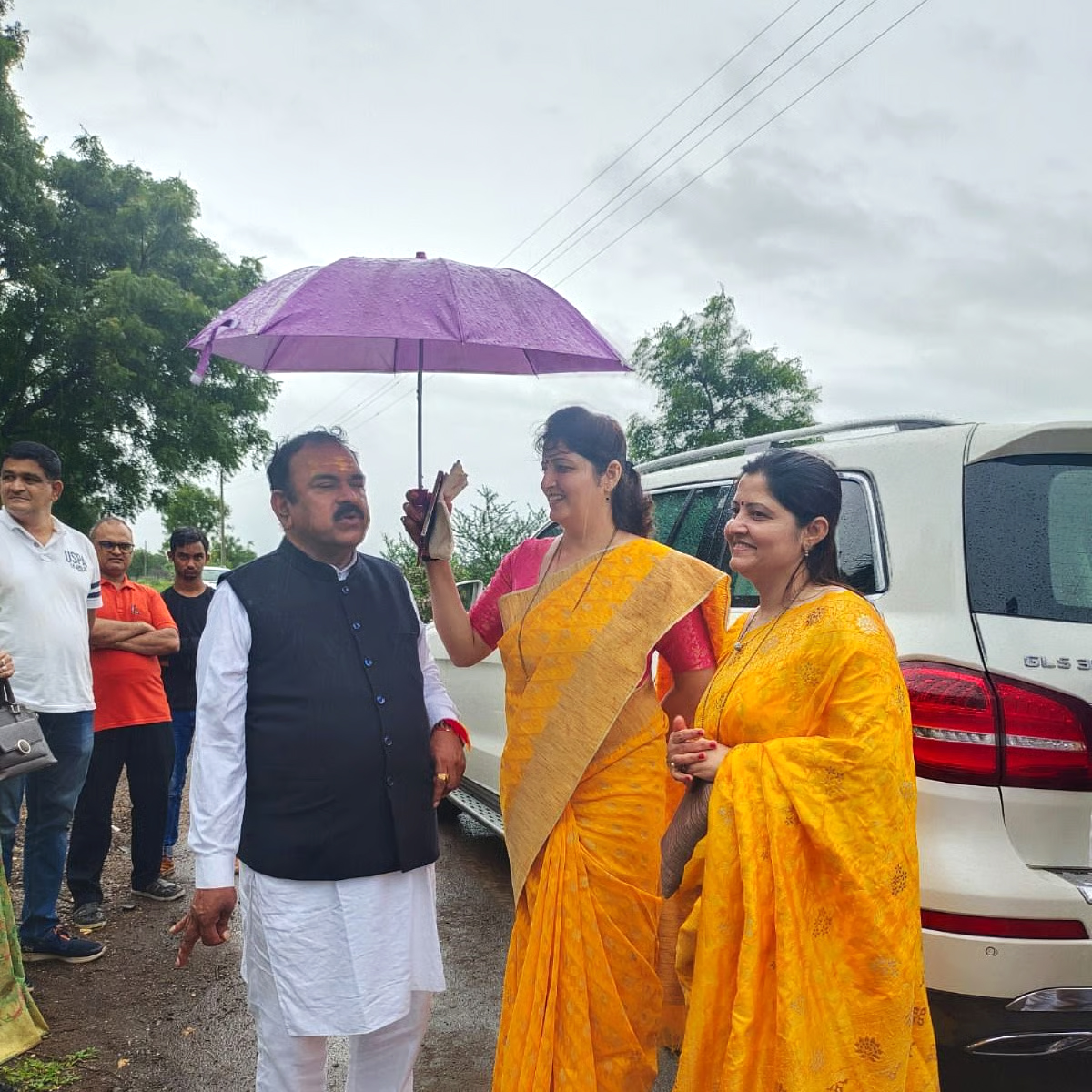
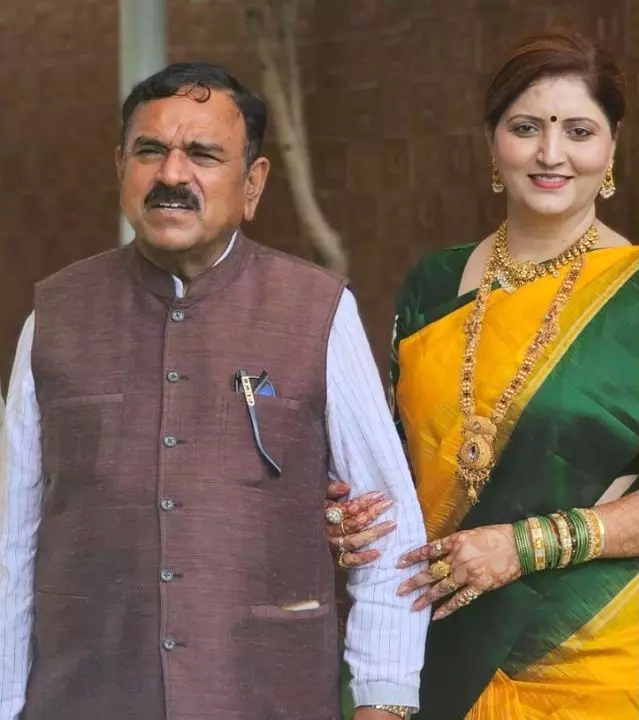

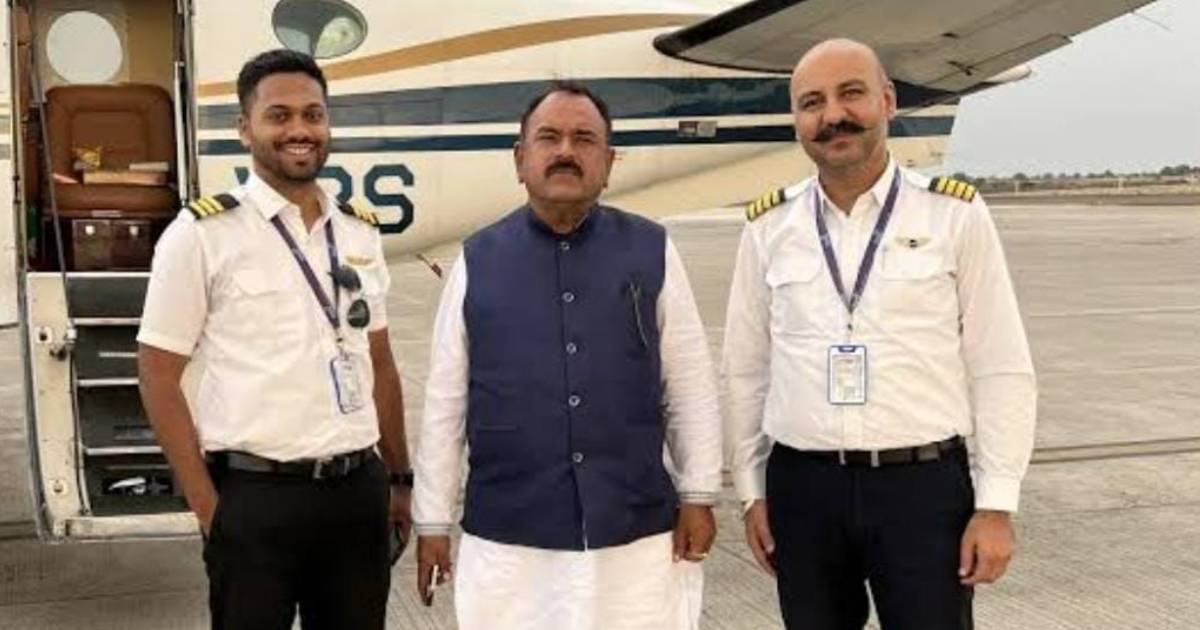
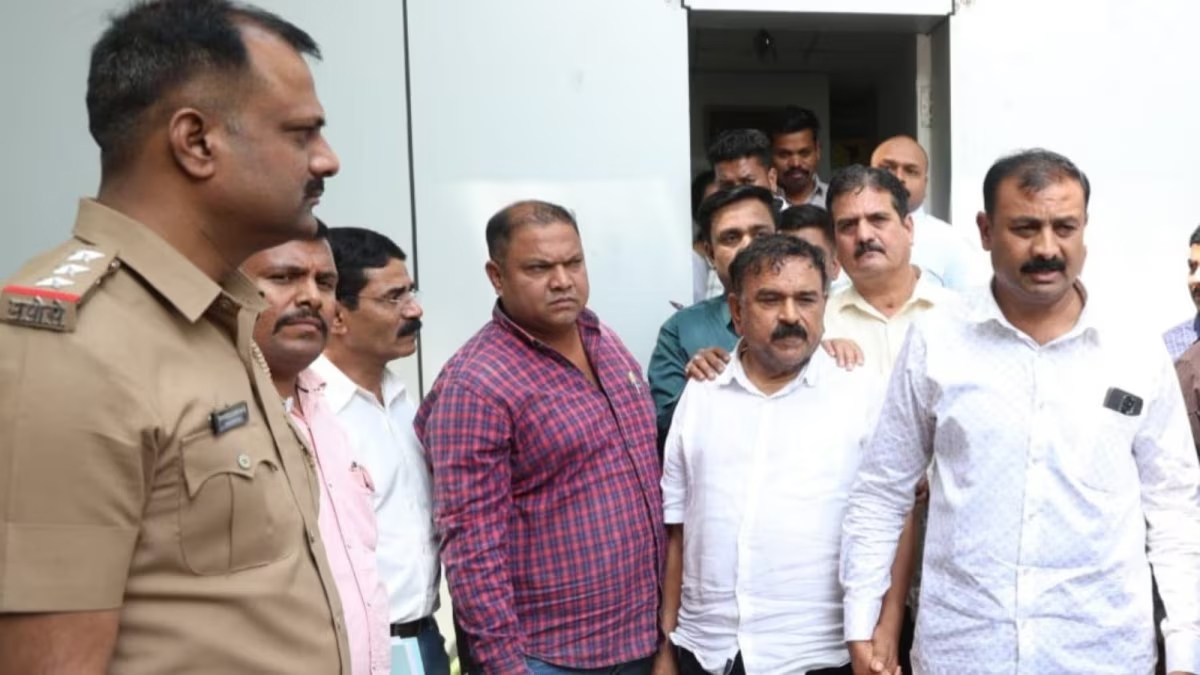
Even more disturbing is the systematic pattern that has emerged. Several women including many pregnant ladies, are expected to come forward with similar or even more stark accounts of abuse. The allegations against Kharat include drugging, repeated sexual assaults, forced abortions and blackmail, using recorded videos. The consistency in these accounts suggests not isolated misconduct but a systematic operation designed to exploit and silence victims by using police and political connections.
What elevates this case from a criminal scandal to a societal crisis is the alleged ecosystem that enabled it. Investigators have indicated that Kharat wielded influence among political figures and had links to land transactions and institutional networks. Additionally, authorities are probing possible connections with local leaders, temple authorities and even government-linked permissions that may have facilitated his activities. Such allegations raise a deeply uncomfortable question: how could such extensive abuse continue unchecked for such a long time unless there was, at minimum, negligence and at worst, tacit complicity?
The resignation of State Women’s Commission chief Rupali Chakankar after her name surfaced in connection with Kharat underscores the political sensitivity of the issue. While her direct culpability remains to be established, the optics alone point to the troubling proximity between accused individuals and positions of authority. When those entrusted with protecting women are even indirectly linked to alleged abusers, public confidence in institutions suffers a severe blow.
Chief minister Devendra Fadnavis has emerged as a stern ruler in this sordid scenario since he triggered action against Kharat and has repeatedly asserted publicly that no guilty will be spared, irrespective of that individual’s party links or positions of authority. But what Fadnavis has revealed till now is astounding.
Equally alarming are reports of large volumes of digital evidence. There are over a thousand videos, it is reported, which allegedly document the abuse. Gradually, these are being recovered during the investigation. These materials not only serve as potential proof of crimes but also highlight the systematic nature of exploitation. The use of recordings for intimidation suggests a calculated strategy to ensure silence and compliance, further deepening the trauma experienced by victims.
The case also exposes the dangerous intersection of superstition and exploitation. Kharat is accused of staging elaborate rituals using snakes and certain objects to instill fear and establish control over the followers. This manipulation of belief systems is not new in India. But the scale and severity alleged in this case are particularly shocking. It reflects how blind faith, when combined with unchecked authority, can create conditions ripe for abuse.
Moreover, the ongoing probe into allegations of human sacrifice and other inhuman practices adds an even darker dimension to the case. While these charges are still under investigation, their very emergence highlights the extent to which criminality may have been cloaked in ritualistic narratives. It is a chilling reminder of how far exploitation can go when it is shielded by fear and belief.
Critically, the role of the state machinery must also be examined. While authorities have acted by arresting Kharat and forming a Special Investigation Team, the fact remains that it was taken only after the CM’s directives. Why was action not taken earlier? Multiple FIRs and complaints suggest that warning signs existed for quite some time. In fact, a Shrirampur journalist who wrote against Kharat a couple of years ago was compelled by Chakankar to publish a retraction and apology. Even then, failure by the police to act is alarming. Were complaints ignored? Or were there pressures that discouraged action? These are questions that cannot be brushed aside if justice is to be seen to be meaningful.
The broader political implications are equally significant. Allegations of connections with politicians and local power structures threaten to erode public trust in governance. Even the perception that influential individuals may have shielded or benefited from such activities is damaging. Maharashtra has witnessed scandals before—from housing irregularities to financial controversies—but a case involving such grave human rights violations carries a different moral weight. It is not just about corruption; it is about the dignity and safety of the citizens.
Another critical aspect is the social stigma faced by survivors. In cases involving sexual abuse and spiritual manipulation, victims often hesitate to come forward due to fear, shame and societal censure. The courage shown by the women who have filed complaints must be acknowledged, but it also highlights the many who may still remain silent. Ensuring their protection and support should be a top priority for the state.
This scandal should serve as a wake-up call on multiple fronts. First, there is an urgent need to strictly implement the existing laws and use the enforcement mechanisms ruthlessly against fraudulent spiritual practices and exploitation. While Maharashtra already has legislations against superstition, black magic and inhuman practices, its implementation must be far more wider. .
Second, institutional accountability must be enforced. Any links, direct or indirect, between accused individuals and political or bureaucratic figures must be thoroughly investigated. Transparency in this process is essential to restore public trust.
Third, there must be a societal shift in how authority is perceived. Blind reverence for self-proclaimed godmen and wealthy spiritual figures creates a sentiment that can be easily exploited. Public awareness and education are crucial in preventing such abuses. The role of all law-makers is crucial in this regard. The opposition should not limit to criticising the government, it should also show initiative to cure this malady.
Finally, the investigation of Kharat and any associated individuals must be comprehensive, impartial and free from political interference. Anything less would not only fail the victims but also embolden future perpetrators.
In conclusion, the scandal involving Ashok Kharat is a stark reminder of the dangers posed by unchecked power, institutional complacency and societal blind spots. It is a test for Maharashtra—not just of its legal system, but of its moral and political will. Whether this moment leads to meaningful reform or fades into yet another unresolved controversy will determine how seriously the state values justice, accountability and human dignity. Granted that the initial signals from the state government are laudatory but the final outcome will be the ultimate test for Maharashtra.
A Column By
Dilip Chaware – Senior Editor
A media professional for 43 years, with extensive experience of writing on
a variety of subjects; he is also a documentary producer and book author.