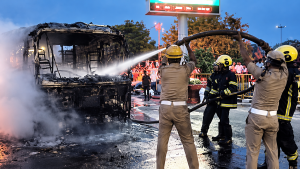
The devastating blaze that gutted a dozen buses at BEST’s Anik depot has once again underscored the vulnerability of Mumbai’s public transport infrastructure to fire hazards. While no lives were lost, the incident has sparked serious debate on safety measures, emergency readiness and the need for robust firefighting systems at bus depots across the city.
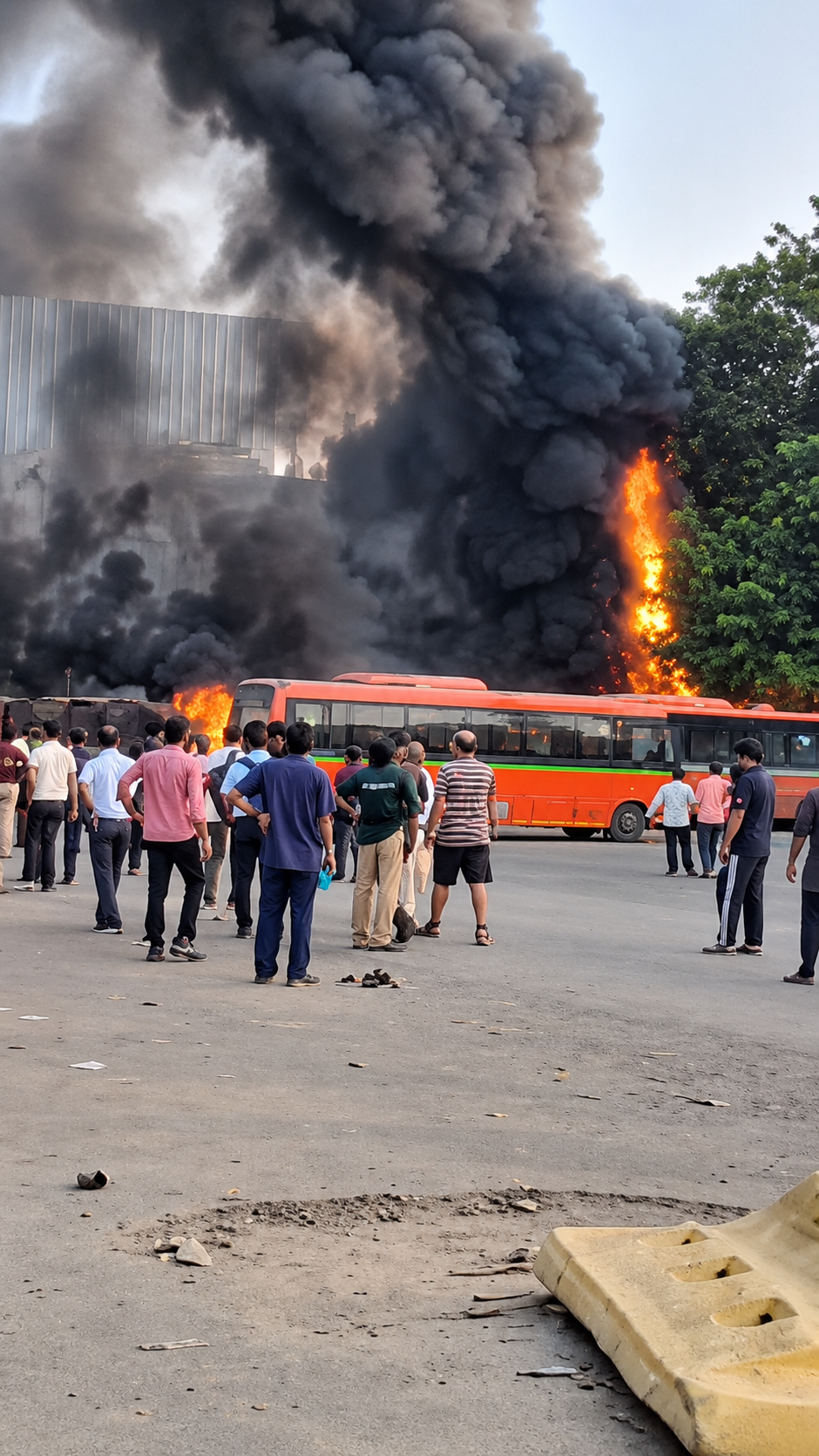
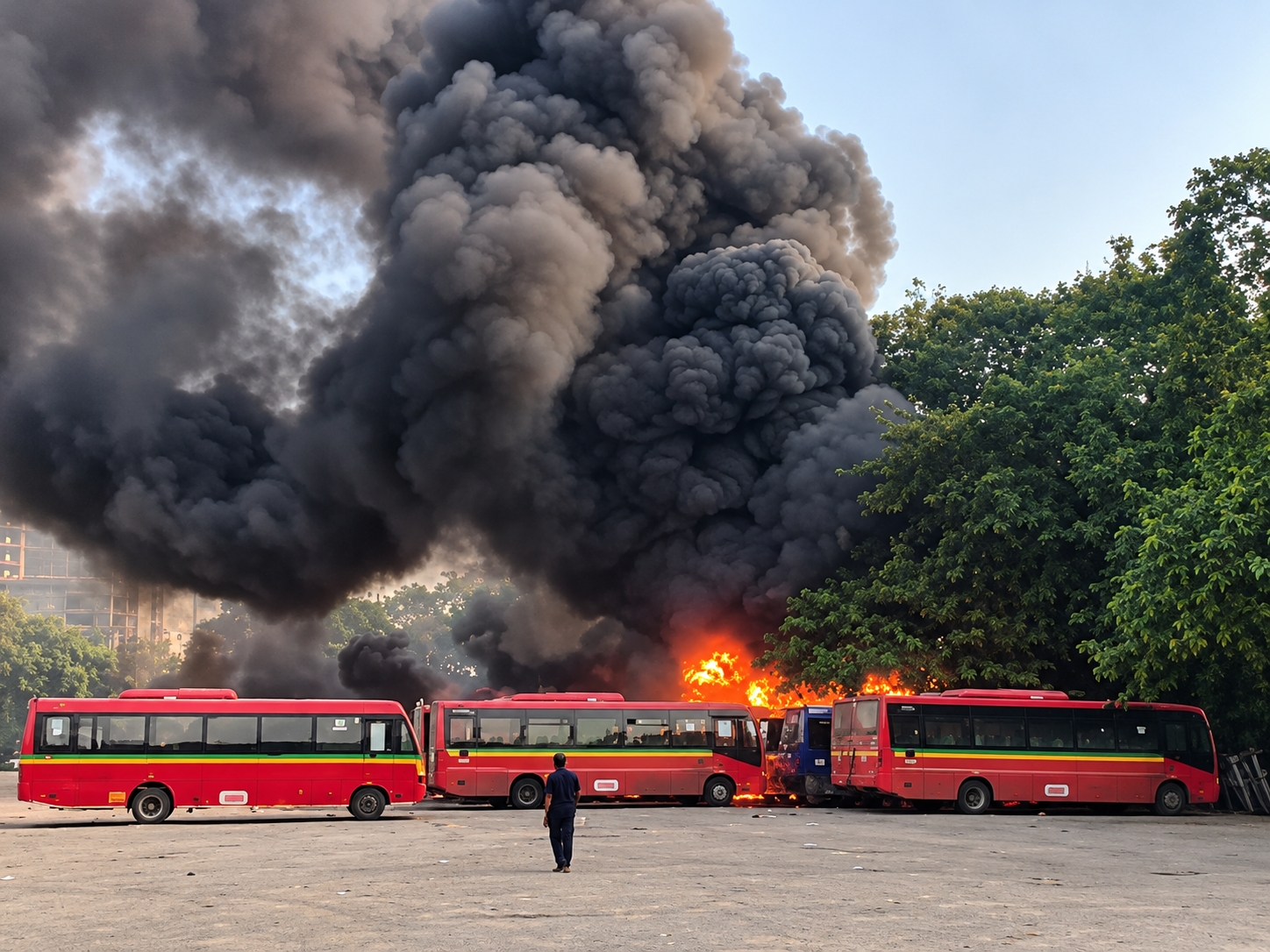
The massive fire that broke out at the Anik depot in Central Mumbai, destroying twelve buses including seven newly inducted vehicles, has brought into sharp focus the precarious nature of fire safety in public transport facilities. The sight of buses parked in close proximity, many with full fuel tanks, being engulfed in flames is a chilling reminder of how quickly such incidents can escalate into disasters of far greater magnitude. That no casualties were reported is a relief, but the loss of valuable public assets and the disruption to services cannot be overlooked.
Mumbai has twenty-seven BEST bus depots, with an estimated fleet of nearly seven thousand buses parked across them at any given time. This scale of operations means that the risk of fire incidents multiplies significantly, as hundreds of fuelled or CNG-powered buses are often stationed in close proximity. The Anik fire revealed the absence of immediate firefighting equipment on site, which delayed containment efforts and allowed the blaze to spread unchecked.
BEST committee chairperson Trushna Vishwasrao has rightly urged the municipal corporation to deploy dedicated firefighting vehicles at all depots, stressing that round-the-clock readiness is essential to prevent similar occurrences. Her appeal highlights the pressing need for modern firefighting systems, rapid-response units and regular safety audits to ensure that depots are not left vulnerable.
The ramifications of such a fire extend beyond the immediate destruction of buses. Mumbai’s bus network is a lifeline for millions of commuters, and any disruption in services has a cascading effect on daily life. The loss of newly inducted vehicles, procured at significant cost, also raises questions about asset protection and financial prudence. Public transport agencies must now reckon with the reality that their depots are high-risk zones, where the combination of fuel, compressed natural gas and electric batteries creates conditions ripe for fire hazards. The Anik blaze should serve as a wake-up call to strengthen emergency protocols and invest in infrastructure that can withstand such shocks.
Transport experts have pointed out that as fleets expand to include electric and CNG buses, the complexity of fire risks increases. These vehicles require specialised firefighting techniques, and depots must be equipped accordingly. Regular drills, staff training and clear evacuation procedures are no longer optional but imperative. The demand for on-site firefighting units reflects a growing recognition that swift response in the initial minutes of a blaze can make the difference between minor damage and catastrophic loss.
At the same time, it is important to acknowledge the professionalism and commitment of the Mumbai Fire Brigade, which remains constantly alert and efficient in tackling emergencies across the city. Despite operating under immense pressure round the clock, the brigade has consistently demonstrated exemplary skill in containing fires and preventing escalation. Their rapid deployment to Anik depot, with multiple engines and water tankers, ensured that the blaze was brought under control within an hour. This efficiency deserves recognition, even as the larger system of preparedness is scrutinised.
The broader implication of the Anik fire is that public transport infrastructure must be treated as critical assets requiring the highest standards of safety. The incident has exposed gaps in readiness but also provided an opportunity to rethink strategies. Dedicated firefighting vehicles at depots, modern suppression systems, and integration of safety audits into routine operations are measures that can significantly reduce risks. Moreover, collaboration between civic authorities, transport agencies and fire services is essential to build a resilient framework that protects both passengers and property.
the Anik depot blaze is not just about buses lost to fire but about the lessons it imparts. It is a reminder that preparedness cannot be an afterthought, that vigilance must be institutionalised, and that investment in safety is as vital as investment in new vehicles. With twenty-seven depots and seven thousand buses forming the backbone of Mumbai’s transport system, the risks are multiplied, and the stakes are too high to ignore. The city must seize this moment to strengthen its defences, for in a metropolis as densely populated and dependent on public transport as Mumbai, fire safety is not merely a technical requirement but a civic necessity.

A Column By
Raju Korti – Editor
The Resource 24X7
A Journalist With 4 Decades of Experience With Leading Media Houses.