
Agriculture remains the backbone of Maharashtra’s rural economy, employing a substantial portion of the state’s population. However, recurring droughts, erratic monsoons, rising input costs, fluctuating market prices and mounting indebtedness have often pushed farmers into financial distress. Against this backdrop, successive Maharashtra governments have introduced farm loan waiver schemes as a means of providing immediate relief to indebted farmers. While such schemes offer short-term respite to rural households, they also raise important questions regarding their long-term impact on state finances and agricultural sustainability.
Maharashtra has witnessed several farm loan waiver initiatives over the years. The first such waiver occurred in 1980 when A.R.Antulay was the chief minister, who declared the waiver of around Rs.100 crore. Antulay defied the Reserve Bank, which had cautioned the rulers about the undesirable trend it could create. In later years, it has become a norm in the country. In Maharashtra, one of the most significant such succours was the Chhatrapati Shivaji Maharaj Shetkari Sanman Yojana announced in 2017 by CM Devendra Fadnavis. Under this scheme, the state government waived crop loans up to a specified limit for eligible farmers. Subsequently, the Maha Vikas Aghadi government launched the Mahatma Jyotirao Phule Shetkari Karjamukti Yojana in 2019, promising relief to lakhs of farmers burdened by debt.
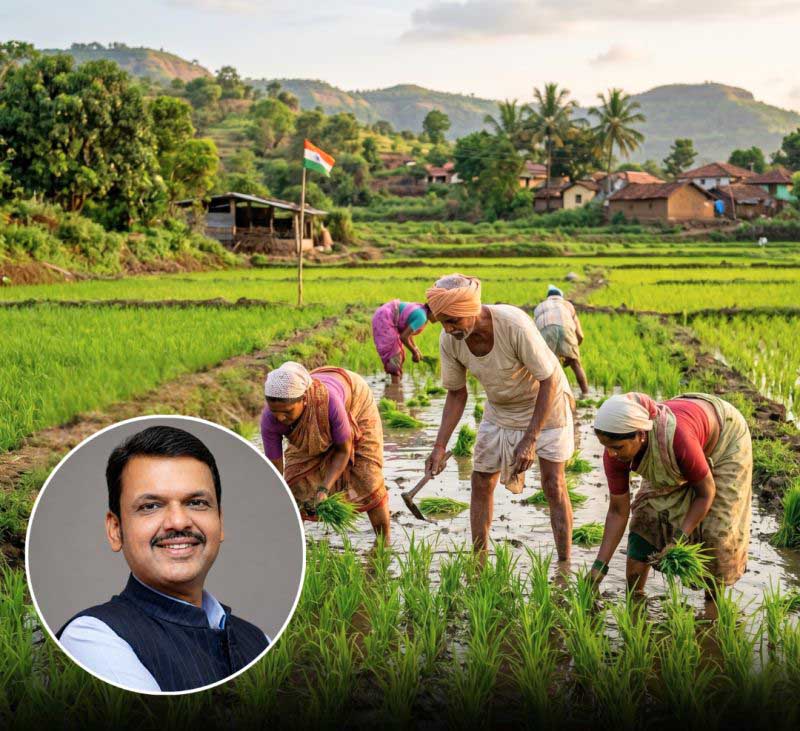
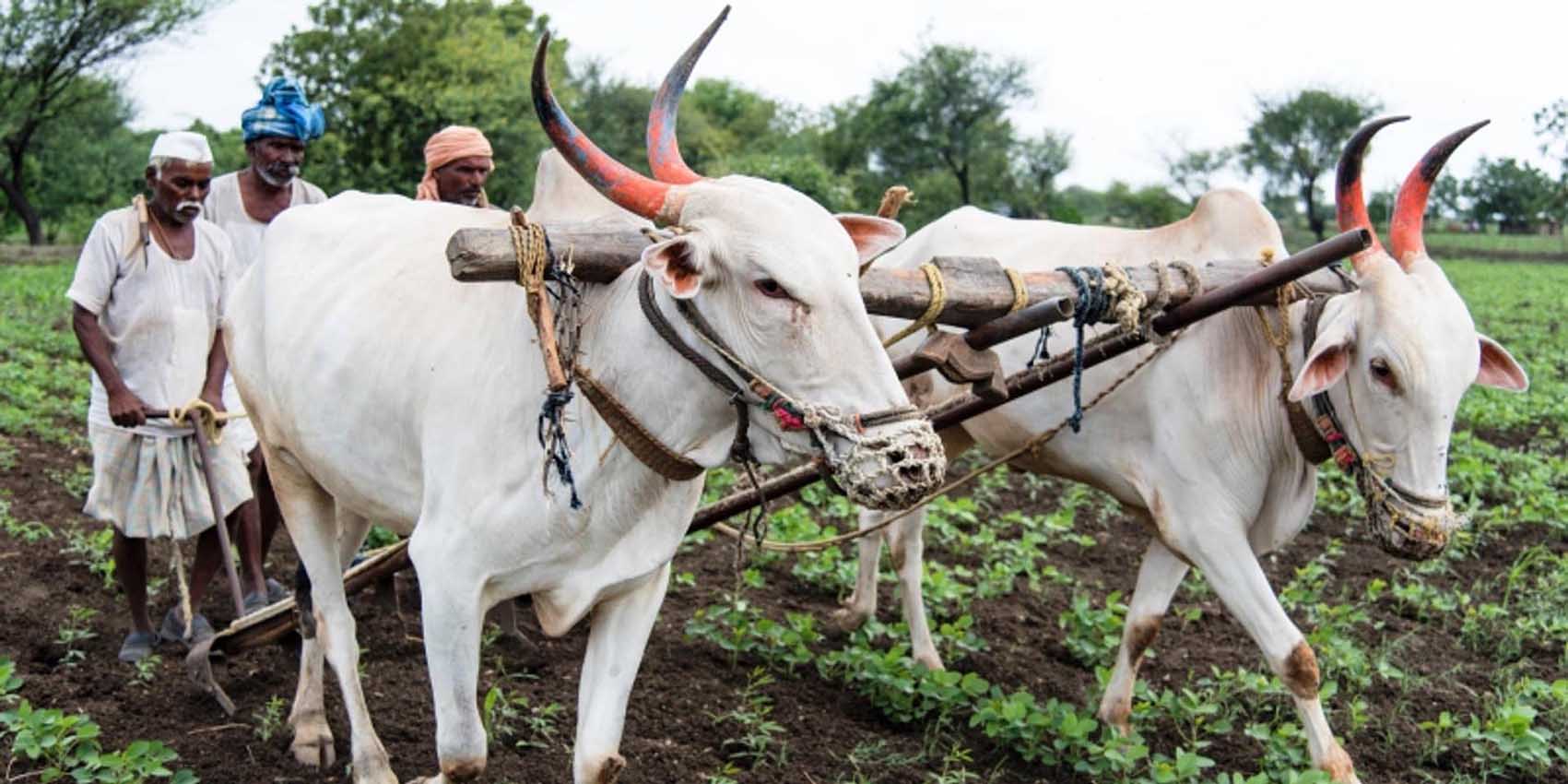
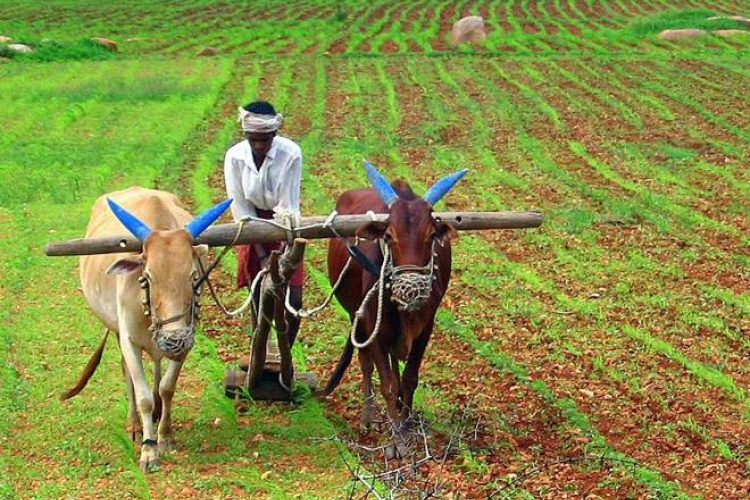
These schemes were introduced in response to persistent agrarian distress, particularly in regions such as Vidarbha and Marathwada, where farmer suicides have remained a matter of grave concern. The objective was to reduce indebtedness, restore farmers’ access to institutional credit and improve rural purchasing power. The present scheme will be available to short-term loans drawn between 1 April 2019 and 31 March 2025. It will benefit around 56 lakh farmers, at an estimated cost of Rs.36585 crore.
Farm loan waivers are often justified on both economic and social grounds. Agriculture is highly vulnerable to natural calamities and market uncertainties. Crop failures due to droughts, unseasonal rains, pest attacks and inadequate irrigation can leave farmers unable to repay loans. As a result, they may fall into a cycle of indebtedness, often borrowing from informal moneylenders at exorbitant interest rates.
Loan waivers provide immediate relief by clearing outstanding debts and allowing farmers to start afresh. They can also reduce psychological stress among farmers and their families. Politically, loan waivers are viewed as a visible demonstration of government support for the rural sector and often become a major electoral promise.
While loan waivers benefit farmers, they impose a significant burden on the state’s finances. Maharashtra is India’s largest state economy and has ambitious plans for infrastructure development, industrial growth, energy expansion and urban modernization. These objectives require substantial fiscal resources.
A large-scale loan waiver can cost tens of thousands of crores of rupees. The 2017 loan waiver scheme involved an estimated expenditure of around Rs.34,000 crore, while subsequent schemes also required substantial allocations. Such expenditures are typically financed through a combination of budgetary allocations and increased borrowing.
The immediate consequence is a rise in the state’s fiscal deficit. Though Maharashtra is comfortable on this aspect at present, the long-term effects will have to be offset by prudent fiscal planning. This is so because every rupee spent on loan waivers becomes a rupee unavailable for other developmental priorities such as irrigation projects, rural roads, healthcare, education and agricultural modernization. As fiscal deficit in the state hovers around 2.78 percent, the government will have to make sustained efforts to keep it below 3 percent, making sure that financing growth-oriented investments are not curtailed.
One of the major concerns raised by economists is that repeated loan waivers can weaken fiscal discipline. Maharashtra has generally maintained a reputation for relatively cautious financial management. However, recurring large-scale waivers can strain the state’s revenue-expenditure balance.
When governments allocate significant resources to debt relief, they may have to either reduce spending elsewhere or increase borrowing. Higher borrowing increases interest obligations in subsequent years, thereby reducing fiscal flexibility. This can affect the state’s ability to respond to future economic shocks or developmental requirements.
Moreover, rating agencies and investors often monitor the fiscal health of states. Excessive debt accumulation can influence borrowing costs and investor perceptions, particularly when states seek funds for infrastructure projects.
Another important issue is the impact of loan waivers on credit discipline. Critics argue that repeated waivers create expectations of future debt forgiveness. Some borrowers may delay repayments in anticipation of another waiver announcement.
Banks and cooperative credit institutions may also become more cautious in extending agricultural loans if repayment behaviour deteriorates. This can paradoxically reduce the availability of institutional credit to genuine farmers. Over time, farmers may again become dependent on informal lenders, undermining the original objective of the waiver.
However, supporters contend that the problem lies not with the waiver itself but with structural weaknesses in agriculture. They argue that farmers often default due to circumstances beyond their control rather than deliberate non-payment.
Despite fiscal concerns, farm loan waivers can generate certain economic benefits. Rural households relieved of debt may increase consumption expenditure on goods and services. This can stimulate local markets and rural economic activity. The waiver can also help farmers regain access to formal banking channels. Once old debts are cleared, banks may be willing to extend fresh crop loans, enabling farmers to purchase seeds, fertilizers and equipment for the next agricultural season. In regions facing severe agrarian distress, loan waivers may prevent further deterioration in social and economic conditions. They can serve as an emergency intervention during periods of exceptional hardship.
Most experts agree that loan waivers are only a temporary solution. Long-term improvement in farm incomes requires structural reforms. Maharashtra will have to focus on expanding irrigation coverage, improving water management, promoting crop diversification and strengthening agricultural value chains.
Investment in cold storage facilities, food processing industries and rural logistics can help farmers secure better prices for their produce. Crop insurance schemes must be made more efficient and transparent so that farmers receive timely compensation for losses. The state can also encourage the adoption of modern technologies such as precision farming, drip irrigation and digital agricultural services on a still wider scale. Strengthening farmer producer organizations (FPOs) can improve bargaining power and market access.
The challenge before Maharashtra is to balance farmer welfare with fiscal responsibility. Governments cannot ignore the hardships faced by millions of farmers, particularly during periods of severe agricultural distress. At the same time, excessive reliance on loan waivers can weaken public finances and divert resources from long-term development.
A more balanced approach would combine targeted debt relief with sustained investments in agricultural infrastructure and rural development. Direct income support, better crop insurance and improved market linkages may provide more durable solutions than periodic loan waivers.
Maharashtra’s farm loan waiver schemes have provided significant relief to indebted farmers and demonstrated the state’s commitment to addressing agrarian distress. For many farming families, these measures have offered a much-needed financial lifeline during difficult times. However, the substantial fiscal cost of such schemes cannot be ignored. Large loan waivers increase government expenditure, widen fiscal deficits and limit resources available for other developmental priorities.
The experience of Maharashtra suggests that while loan waivers may be necessary under exceptional circumstances, they should not become a substitute for comprehensive agricultural reform. Sustainable improvements in farm incomes, irrigation, market access and rural infrastructure remain essential for ensuring the long-term prosperity of Maharashtra’s farming community while preserving the financial health of the state.
A Column By
Dilip Chaware – Senior Editor
A media professional for 43 years, with extensive experience of writing on
a variety of subjects; he is also a documentary producer and book author.