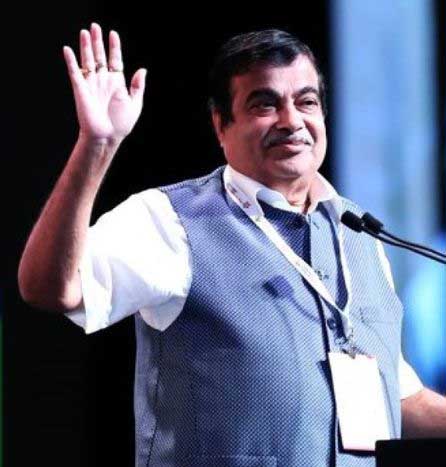
India’s transformation into one of the world’s fastest-growing major economies is closely linked with the unprecedented expansion of infrastructure during the past decade. At the centre of this transformation stands Nitin Gadkari, whose tenure as Union Minister for Road Transport and Highways has redefined the scale, speed and ambition of infrastructure development in the country. His contribution has not merely been administrative; it has altered the economic geography of India and laid the foundation for long-term national growth.
When Narendra Modi assumed office in 2014 as Prime Minister, India’s infrastructure sector faced multiple challenges—slow project execution, bureaucratic delays, financial stress in construction companies, land acquisition disputes and inadequate connectivity between production centres and markets. High logistics costs were reducing India’s global competitiveness. Recognising that roads, highways and transport networks are the arteries of economic development, Gadkari initiated a massive infrastructure push that has since become one of the defining achievements of modern India.
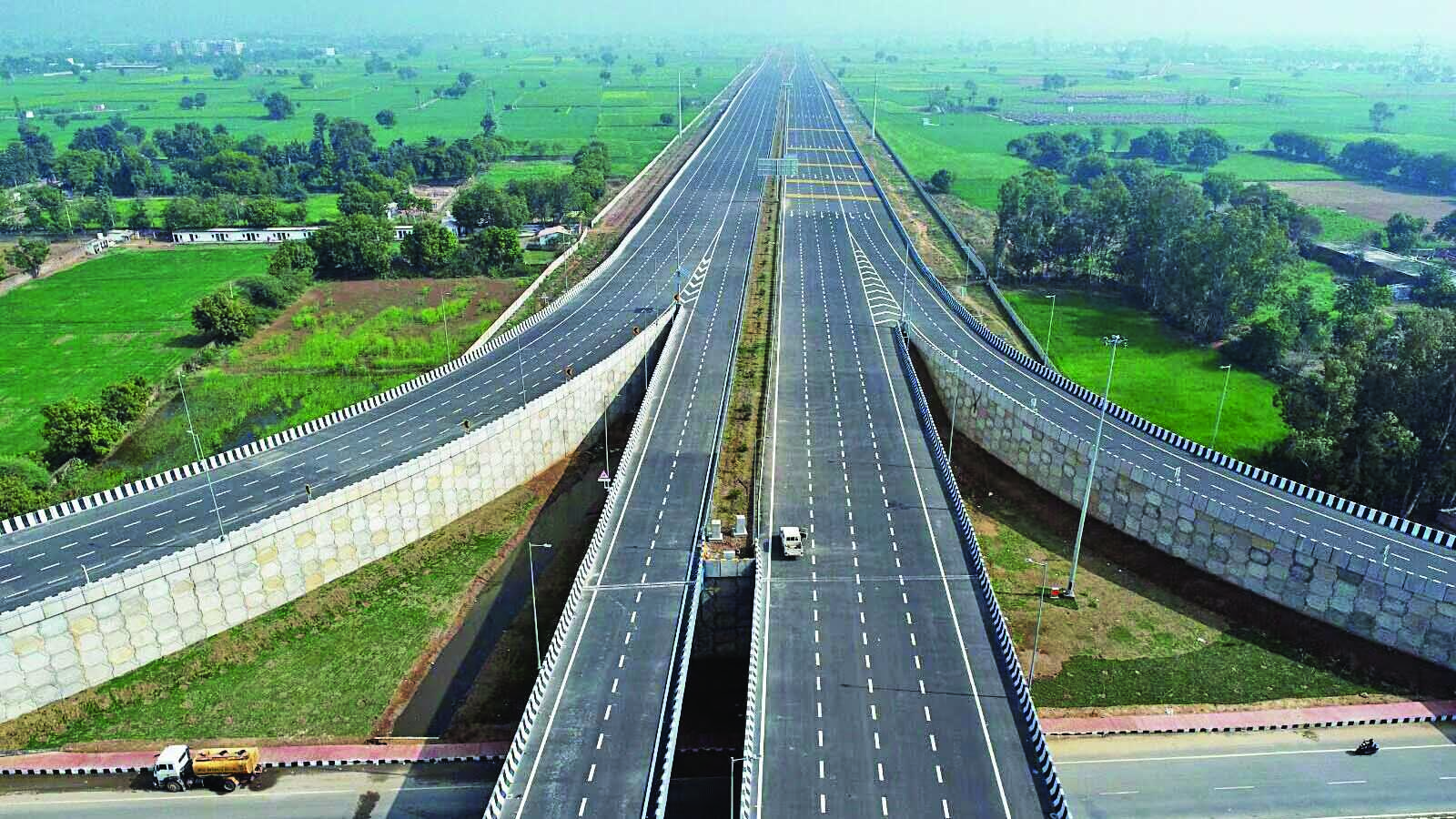
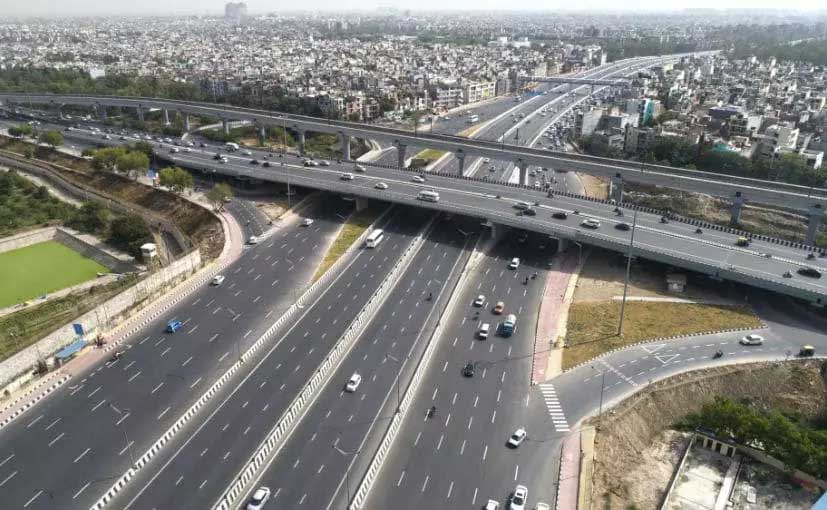
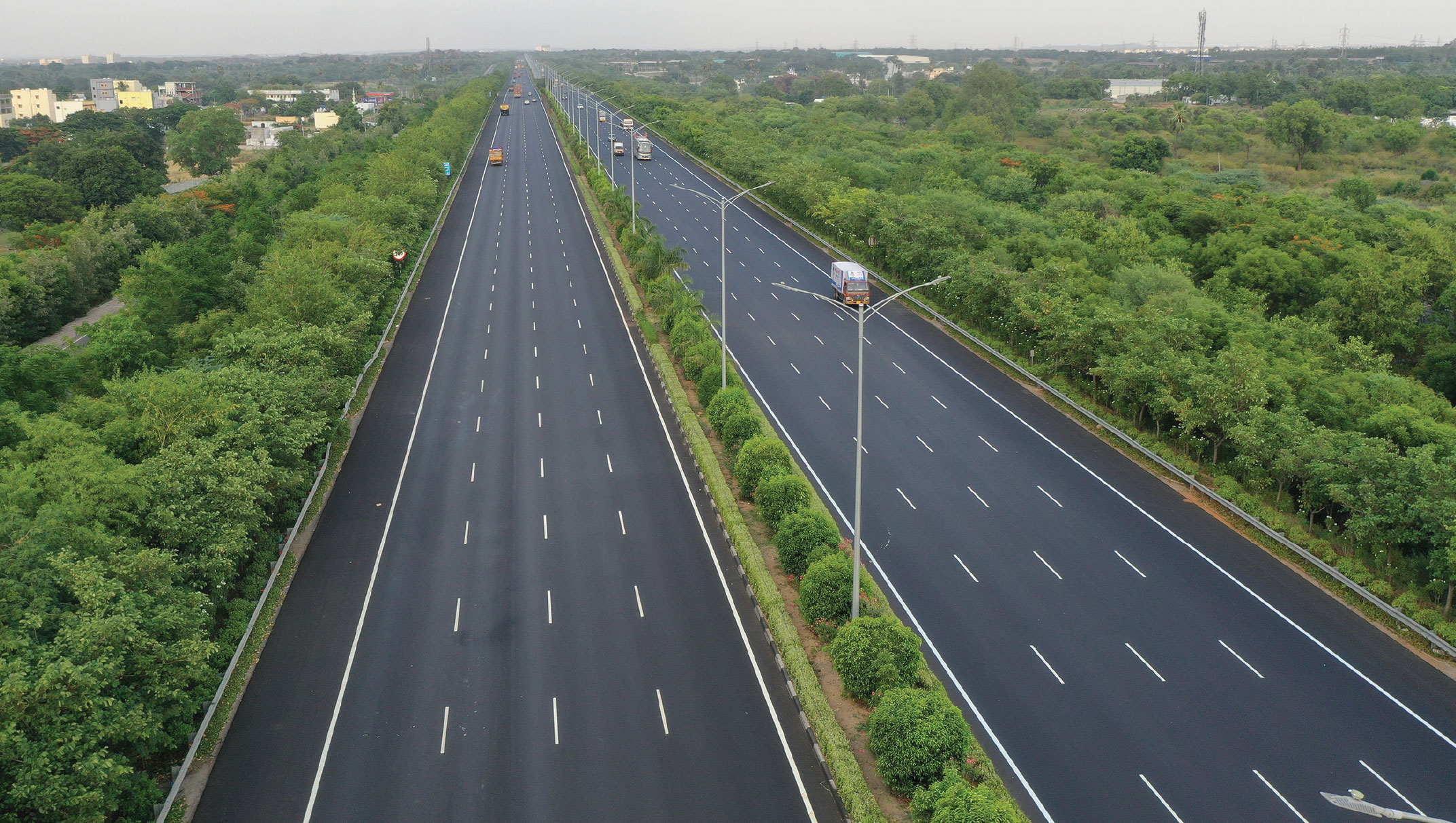
One of the most visible aspects of this quantum leap has been the dramatic expansion of national highways. India’s highway construction speed, which was around 12 kilometres per day in 2014, surged to more than 35 kilometres per day during peak implementation years. Thousands of kilometres of highways, expressways, tunnels, bridges and greenfield corridors have been completed across the country. Projects that remained stalled for years due to policy paralysis were revived through innovative financing models and administrative reforms.
The flagship Bharatmala Pariyojana became a game changer in this regard. Conceived as a comprehensive road connectivity programme, it aimed to connect economic corridors, border regions, coastal areas and remote districts. By integrating freight routes with industrial clusters, ports and logistics hubs, the project has strengthened India’s supply chain network. This has been especially important for manufacturing, agriculture and exports.
Among the landmark projects associated with Gadkari’s tenure are the Delhi-Mumbai Expressway, the Mumbai-Nagpur Samruddhi Mahamarg, the Atal Tunnel in Himachal Pradesh, the Chenani-Nashri Tunnel in Jammu and Kashmir, the Atal Setu that connects Mumbai with the mainland and numerous river bridges in the Northeast. These projects have significantly reduced travel time, fuel consumption and transportation costs. Regions once considered inaccessible are now integrated into the mainstream economy.
The economic benefits of this infrastructure revolution are enormous. Improved highways reduce logistics costs, which in India have traditionally remained between 13 and 14 percent of GDP—far higher than in developed economies. Better roads enable faster movement of goods, reduce wastage of perishable agricultural produce and improve industrial efficiency. The reduction in travel time also lowers fuel consumption, which directly benefits both businesses and consumers as well as helps lowering vehicular pollution.
Infrastructure development has also emerged as a major employment generator. Large highway projects have created direct jobs in construction, engineering, cement, steel, logistics and machinery sectors. Indirectly, they stimulate economic activity in hotels, restaurants, transport services and local businesses along new corridors. Rural regions connected by highways witness rising land values, better market access and increased investment opportunities. They also create faster access to villagers to obtain medical treatment in major urban centers.
Another vital contribution of Gadkari has been his emphasis on innovation and sustainability. He has strongly advocated the use of alternative fuels such as ethanol, methanol, bio-CNG and green hydrogen to reduce India’s dependence on imported crude oil. India spends massive foreign exchange on oil imports. Gadkari has repeatedly argued that the transition to cleaner fuels would strengthen both, the economy and the environment. His support for electric mobility and flex-fuel vehicles is now shaping the future of India’s automobile sector.
The minister has also encouraged the use of modern technologies and waste materials in road construction. Plastic waste, construction debris and industrial by-products have increasingly been utilised in highway building. Such measures have reduced costs while supporting environmental sustainability. His focus on digital toll collection has improved efficiency, reduced congestion and increased transparency in toll operations.
Equally important has been the emphasis on waterways and multimodal transport. Gadkari revitalised inland waterways as a cost-effective alternative to road transport. The development of the Ganga Waterway under the Jal Marg Vikas Project opened new possibilities for freight movement. Inland waterways reduce transportation costs substantially, compared to road transport and can become a major pillar of India’s logistics ecosystem.
The Northeast region, historically isolated due to geographical constraints, has particularly benefited from this infrastructure expansion. Massive investments in bridges, tunnels and highways have improved connectivity in states such as Assam, Arunachal Pradesh, Meghalaya and Manipur. Enhanced connectivity has strategic significance as well, especially considering India’s border security concerns and the need for rapid troop mobility in sensitive regions as and when required.
Maharashtra, too, has emerged as a major beneficiary of this infrastructure drive. The Mumbai-Nagpur Samruddhi Mahamarg has dramatically reduced travel time between the state’s commercial capital and Vidarbha region. More and more expressways are taking shape between Maharashtra and several major states. Several industrial nodes, logistics parks and agricultural processing centres across districts are being developed all over the country. Such projects align with the vision of transforming Maharashtra into a trillion-dollar economy, handsomely contributing to India’s plans to become a five-trillion-dollar behemoth in the near future.
Critics occasionally point to concerns regarding environmental impact, land acquisition and rising debt associated with large infrastructure spending. However, supporters argue that India, as a developing economy aspiring to become a global manufacturing and investment hub, cannot achieve sustained high growth without world-class infrastructure. In this context, Gadkari’s policies are viewed as long-term capital investments rather than short-term expenditure. He always says, “Plan for the century, not the decade.”
One of the most remarkable aspects of Gadkari’s leadership has been his execution-oriented approach. He is widely known for setting strict deadlines, reviewing projects personally and maintaining pressure on contractors and officials for timely completion. His administrative style has earned him a reputation as one of India’s most effective ministers across party lines.
The infrastructure push has also strengthened investor confidence in India. Better connectivity improves ease of doing business and attracts domestic as well as foreign investment. Global companies seeking manufacturing alternatives increasingly consider India due to improving logistics networks and expanding transport corridors. Infrastructure growth therefore complements initiatives such as Make in India, PM Gati Shakti and industrial corridor development.
India’s aspiration to become a five-trillion-dollar economy depends significantly on continued infrastructure expansion. Roads, ports, airports, railways and logistics systems determine productivity and competitiveness in the global economy. In this larger national transformation, Nitin Gadkari’s contribution occupies a central place. His tenure represents a shift from incremental infrastructure growth to large-scale nation-building.
The economic benefits generated by this transformation are already visible in rising mobility, lower travel times, better regional integration, enhanced industrial activity and stronger market connectivity. More importantly, it has created optimism about India’s developmental capabilities. The highways and corridors being built today are not merely transport projects; they are instruments of economic integration, employment generation and national progress.
In many ways, Gadkari’s infrastructure revolution has changed the rhythm of India’s development journey. By accelerating connectivity and modernisation, it has given India the physical backbone necessary for rapid economic expansion in the twenty-first century.
Hence, it is imperative to greet Gadkari on his birthday as the man who initiated the genesis of India’s infrastructure revolution by completing the first expressway in the country, between Mumbai and Pune in record time and spending less than originally estimated.
A Column By
Dilip Chaware – Senior Editor
A media professional for 43 years, with extensive experience of writing on
a variety of subjects; he is also a documentary producer and book author.