The Thane high rise fire is a reminder that in dense urban agglomerations, fire risk grows vertically along with buildings. When ageing infrastructure meets taller redevelopment, the margin for error narrows dangerously.
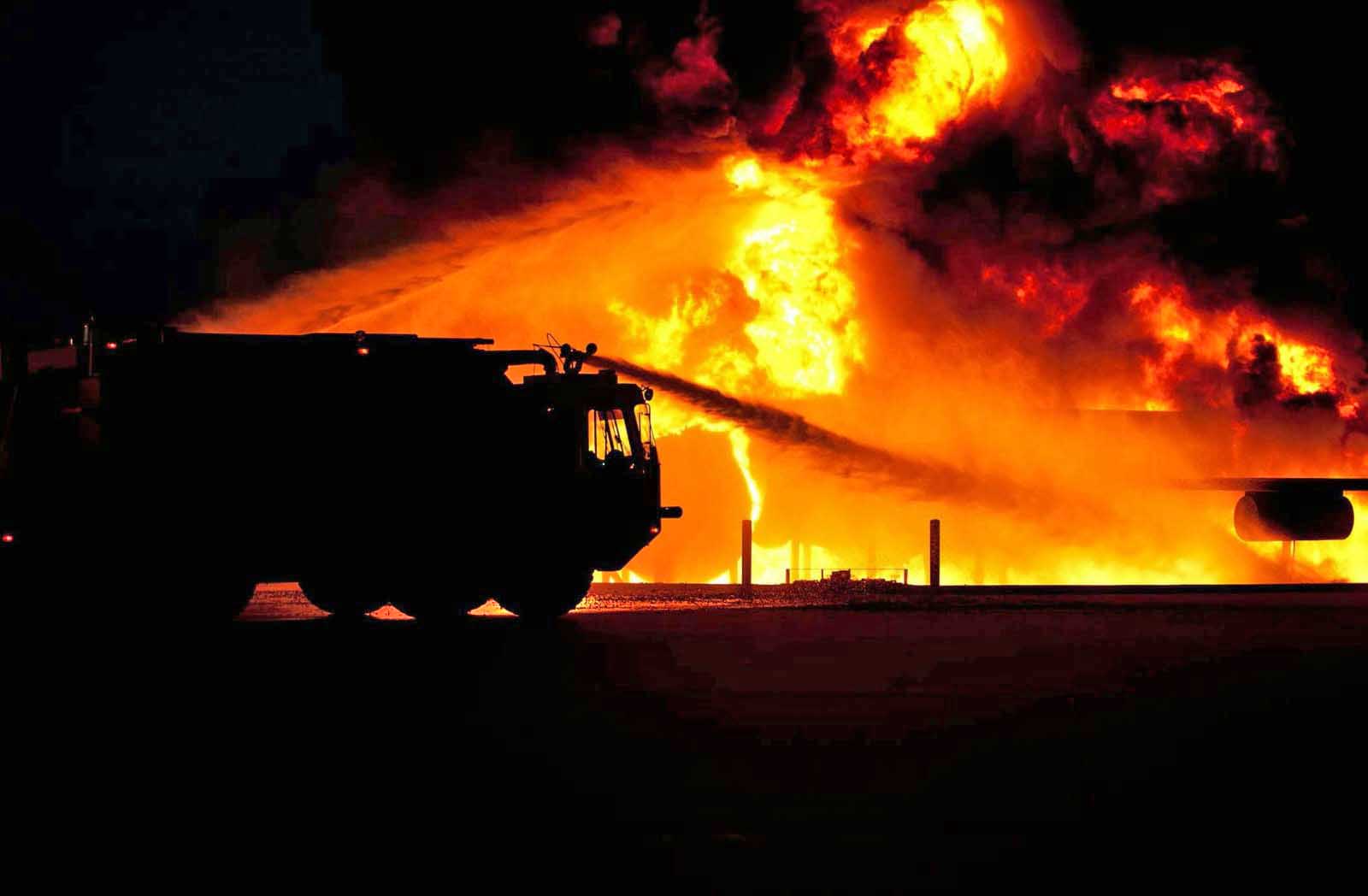

The fire that broke out in an electric duct of a high-rise residential building in Thane West early Tuesday once again brings the spotlight on a less discussed but increasingly serious urban hazard, ageing infrastructure in vertical cities. While the precise age of the Milan Hill building is yet to be formally ascertained, the broader context is familiar across the Mumbai Metropolitan Region. With land parcels scarce and horizontal expansion virtually impossible, redevelopment has become the default urban solution. Old low-rise structures are replaced by significantly taller buildings, multiplying both population density and load on electrical, mechanical and safety systems that often evolve incrementally rather than comprehensively.
In Mumbai, Thane and Navi Mumbai, the only real boundary separating these cities is administrative. Their built form, climate exposure and risk profile are strikingly similar. As buildings rise higher, fire safety protocols must become exponentially more rigorous. Taller structures demand stronger evacuation planning, more robust firefighting infrastructure and far more frequent inspection of electrical networks. Over the last two decades, the number of electrical appliances per household has increased sharply, air conditioners, water heaters, microwave ovens, air fryers, multiple refrigerators, chargers, inverters and smart devices all drawing continuous power. Many redeveloped buildings still rely on electrical duct designs and load assumptions that were conceived in an earlier era, making them vulnerable points during faults or overloads.
Compounding risks
This risk is compounded by the ever-expanding piped gas network. While piped gas has brought efficiency and convenience, it has also introduced another layer of potential hazard if coordination and maintenance are not meticulous. Fires such as the one in Thane inevitably require multiple agencies to work in tight coordination, including the fire brigade, electricity distribution company, gas supplier, civic disaster management teams and often local volunteers. Any delay, miscommunication or lack of clarity can escalate consequences rapidly, particularly in the early morning hours when residents are asleep and smoke spreads faster than flames.
Mumbai’s weather accelerates this vulnerability. Buildings get weather beaten quickly due to intense monsoon rains, high humidity and saline air in coastal zones. Electrical insulation degrades faster; corrosion sets in silently and ducts become channels not just for cables but for fire and smoke. For fire fighters, high rises are a perennial challenge. Evacuation is slower, access is restricted and firefighting from height tests both equipment and human endurance. The relief when lives are saved is immense, yet the loss of property and the lingering psychological trauma for residents often remain under acknowledged.
Audits are sacrosanct
In this context, prevention becomes as critical as response. Residents and housing societies must ensure that electrical audits are conducted regularly, that gas pipelines and valves are checked periodically and that common ducts are kept uncluttered and sealed properly. They must not overload circuits with unauthorised modifications or bypass safety devices. They should ensure staircases, refuge areas and exits are never blocked and that fire drills are treated as a necessity rather than a formality. At the same time, people must not panic during incidents, must follow evacuation instructions calmly, must avoid using lifts during fires and must never ignore alarms or smoke assuming it to be a minor fault.
The Thane incident ended without fatalities largely because evacuation and inter agency response worked in time. That should not breed complacency. As cities grow taller and infrastructure ages faster than it is upgraded, fires will increasingly test the resilience of urban systems. The real challenge lies not in reacting to such incidents, but in recognising that in vertical cities, neglect is combustible.
A Column By
Raju Korti – Editor
The Resource 24X7
A Journalist With 4 Decades of Experience With Leading Media Houses.