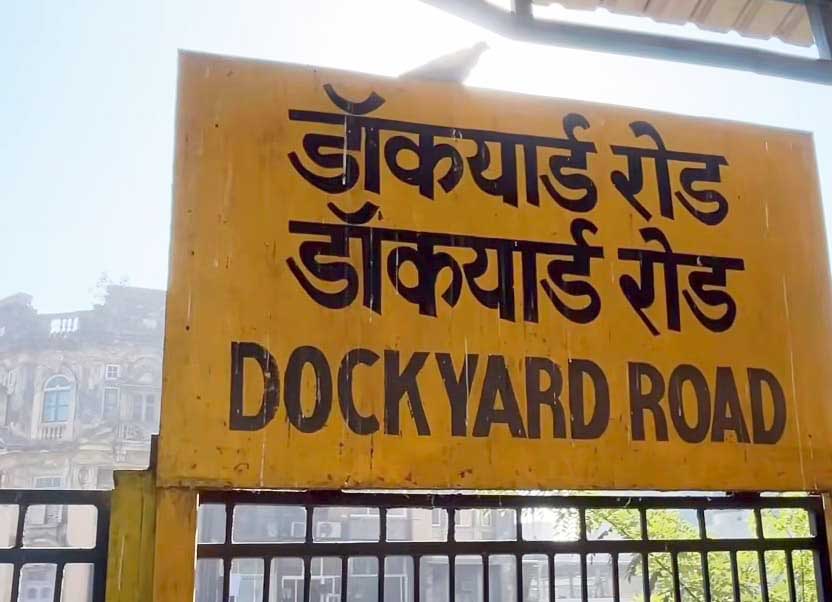
The late-night fire at a cotton warehouse near Dockyard Road is not an isolated incident but a reminder of the structural fire vulnerability embedded in parts of South Mumbai. The episode once again draws attention to why stretches like Wadi Bunder on P D Mello Road remain high risk zones despite repeated warnings and past experience.
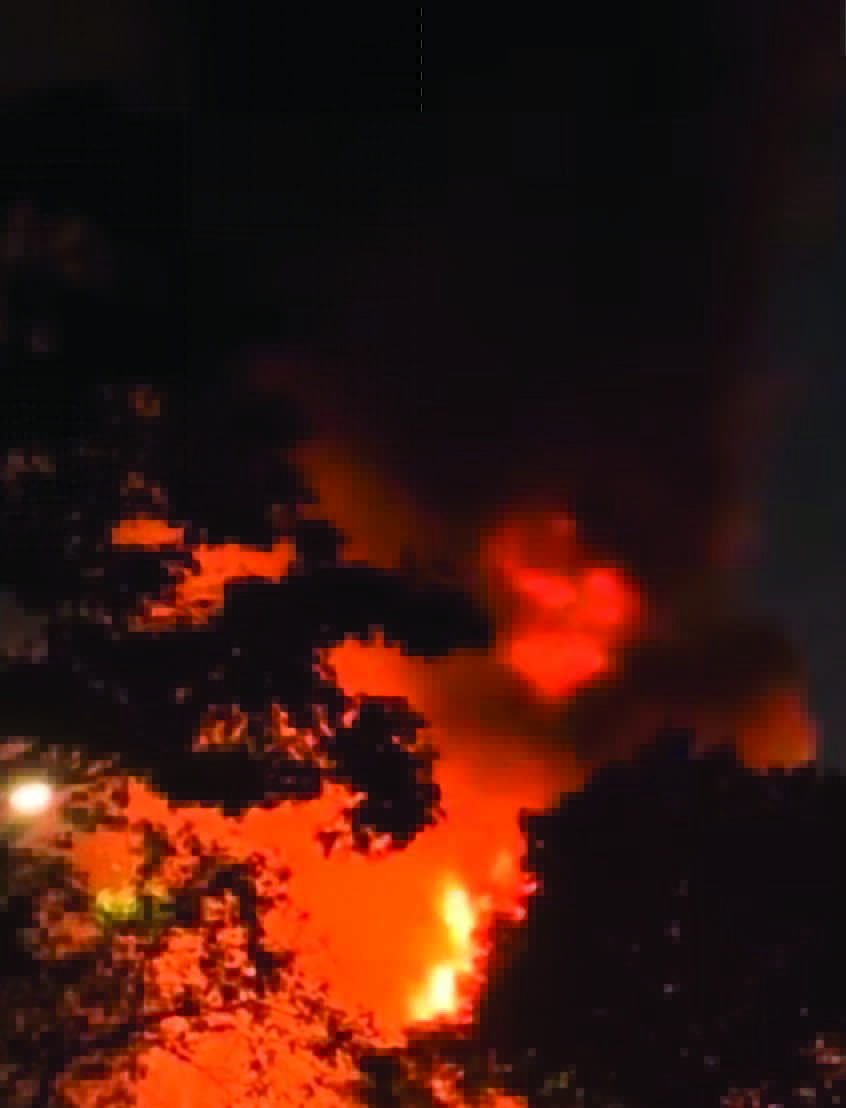
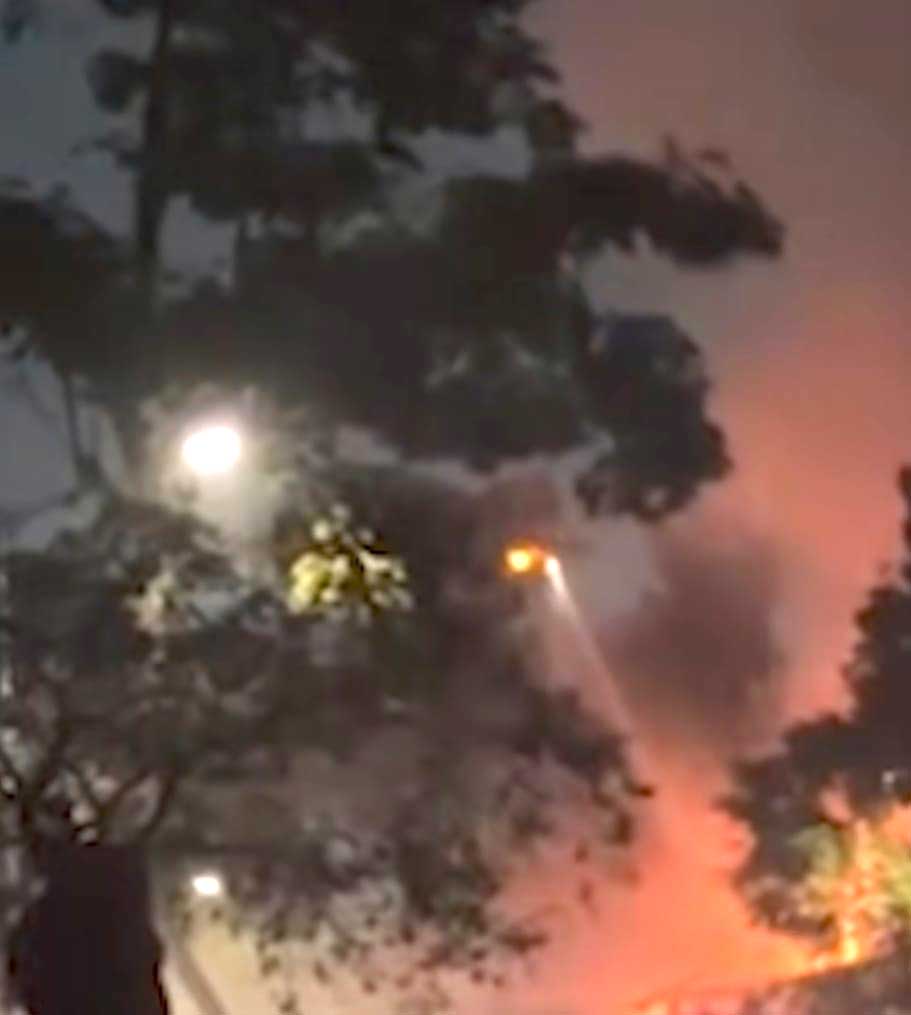
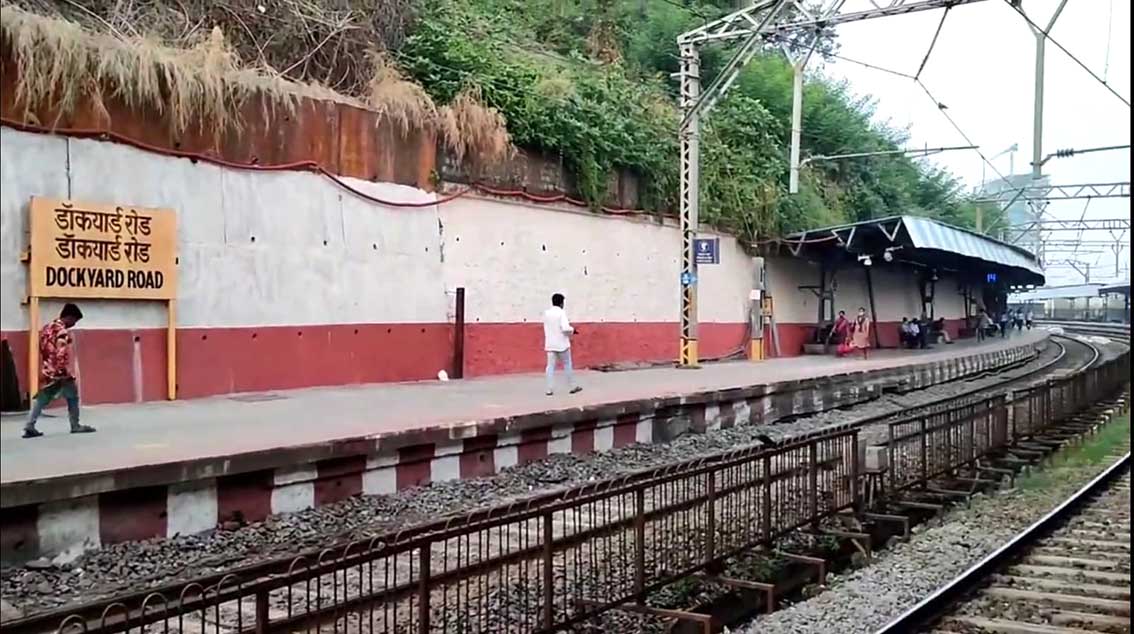
The fire that broke out close to Dockyard Road Railway Station in the Wadi Bunder area late Wednesday night was reported around 11:45 pm and quickly escalated from Level I to Level II, prompting a multi-agency response involving the Mumbai Fire Brigade, police, BEST, PWD, BPT, ambulance services and civic staff. The blaze at the warehouse storing cotton bales was eventually brought under control from all sides after sustained operations, with no casualties reported, though cooling operations continued and the cause and damage assessment remained underway. While the efficient response of the Mumbai Fire Brigade once again limited the fallout, the location of the incident itself underlines a deeper and recurring urban risk.
Wadi Bunder and the broader P D Mello Road belt form one of South Mumbai’s most intense commercial and transport corridors, marked by a dense concentration of warehouses, godowns and storage facilities that routinely house combustible material such as cotton. The presence of such high fire load establishments in close proximity to each other, often within ageing structures and congested layouts, significantly raises the probability of both ignition and rapid spread. This commercial character is layered over critical transport infrastructure, with P D Mello Road serving as a major arterial access and Wadi Bunder hosting the city’s oldest rail yard, now partly repurposed for Vande Bharat train maintenance, adding complexity to emergency movement and firefighting logistics.
The vulnerability is further compounded by mixed land use and high density. Commercial and industrial buildings sit cheek by jowl with older working class chawls and slum clusters, creating a continuous built mass where fire can easily jump boundaries. During the day, the area witnesses a sharp influx of workers, increasing human exposure to risk, while at night, reduced activity can delay early detection. Encroachments along P D Mello Road narrow access points, potentially slowing emergency response during peak congestion or large-scale incidents.
Structural factors also play a role. Older electrical networks and makeshift connections raise the likelihood of short circuits, a known trigger in many urban fires. Official assessments such as the Mumbai Fire Hazard Response and Mitigation Plan already recognise fire as a major citywide hazard, and areas like Wadi Bunder sit at the sharper end of this risk spectrum due to the sheer density of combustible storage and population. That the Mumbai Fire Brigade maintains multiple stations in the wider P D Mello Road area speaks both to its preparedness and to the frequency with which this preparedness is tested.
The Wadi Bunder warehouse fire, involving cotton bales that are notoriously difficult to extinguish once ignited, therefore serves as a case study rather than an exception. It highlights the need for stricter enforcement of storage norms, better segregation of hazardous commercial activity from residential settlements, and sustained efforts to keep access routes clear in one of Mumbai’s most pressured urban zones.
As a closing reminder, the basics still matter: Do ensure proper electrical maintenance, adhere to fire safety norms in warehouses, keep access roads and hydrants unobstructed, and conduct regular safety audits. Do not overload storage spaces with combustible material, allow unauthorised encroachments near commercial premises, or treat fire safety compliance as a procedural formality rather than a life-saving necessity.
A Column By
Raju Korti – Editor
The Resource 24X7
A Journalist With 4 Decades of Experience With Leading Media Houses.